This Ginger & Spring Onion Lobster Noodles dish is a classic Cantonese celebration recipe, combining sweet lobster, fragrant aromatics and silky sauce over long egg noodles. Rich, savoury and full of wok flavour, it’s a true feast dish.
Hong Kong Style Char Siu Pork is one of the most iconic Cantonese roast meats, recognised by its glossy red exterior, sticky caramelised glaze and tender, juicy interior. This Hong Kong Style Char Siu Pork recipe recreates that classic sweet and savoury flavour without artificial red colouring, relying instead on tomato paste, dark soy and honey for depth and colour.
Traditionally hung in the windows of Hong Kong roast meat shops, char siu is roasted until lightly charred at the edges while staying succulent inside. The key is a well balanced marinade built on five spice, hoisin, soy sauce and honey, then slow roasting or barbecuing to develop caramelisation.
Pork & Prawn Wontons in Ginger Broth
Chinese Wonton Soup is a classic Cantonese dish made with delicate pork and prawn dumplings served in a light yet deeply savoury ginger and oyster infused broth. This Chinese Wonton Soup recipe focuses on building flavour in the soup first by tempering ginger and caramelising oyster sauce, then pairing it with traditional 50 50 pork and prawn wontons for the perfect balance of richness and freshness.
Wontons are a type of dim sum dumpling. The word dim sum translates loosely as “a little touch of the heart”, making this soup both comforting and symbolic. The key is a clear, fragrant broth and a well seasoned filling that remains juicy after boiling.
Cantonese Black Bean Rice Noodle Stir Fry
Succulent Black Bean Beef Hor Fun is a Cantonese restaurant classic featuring tender slices of beef stir fried with fermented black bean paste and served over silky wide rice noodles.
This Succulent Black Bean Beef Hor Fun recipe delivers deep savoury flavour from tau si fermented black beans, balanced with oyster sauce, Shaoxing rice wine and a touch of beer for richness.
Hor fun are wide, flat rice noodles that absorb sauce beautifully. The key technique is separating the noodles gently over high heat before topping them with a medium-wet black

bean beef stir fry. When cooked correctly, the beef remains succulent, the vegetables retain bite and the sauce lightly coats every strand without becoming heavy.
Chinese Rice Porridge with Condiments
Hong Kong Style Congee is a traditional Cantonese rice porridge made by slowly cooking rice in a large amount of liquid until the grains burst and release their starch. This Hong Kong Style Congee recipe follows the classic method of soaking rice in oil before simmering, creating a silky, smooth texture that forms the perfect base for savoury toppings and condiments.
Congee is commonly eaten for breakfast in Hong Kong, but it is equally comforting at any time of day. The beauty of congee lies in its simplicity. A well made base can be served plain or topped with preserved vegetables, pickled ginger, crispy shallots or even Chinese dough sticks for added texture.
Hong Kong Style Chicken with Mixed Mushrooms
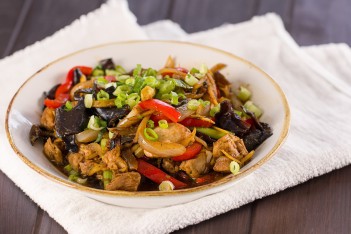
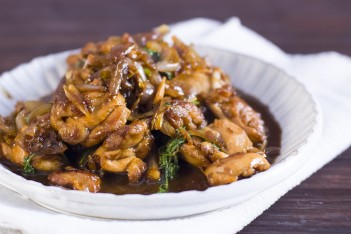
Quick & Easy Chinese Chicken & Mushroom Stir Fry is a classic Hong Kong style home cooking dish that celebrates wok hei, silky marinated chicken and lightly charred mushrooms. This Quick & Easy Chinese Chicken & Mushroom Stir Fry recipe uses the traditional wok clock method, searing each ingredient at the right moment for maximum flavour and texture.
In Cantonese cooking, ginger and spring onion form the aromatic backbone of countless stir fries. Combined with oyster sauce and Shaoxing rice wine, they create a savoury, lightly caramelised coating that wraps beautifully around tender chicken thigh and a medley of mushrooms.
An easy, Chinese hot and sour soup recipe inspired by Chef Ken Wang. Packed full of ingredients, this spicy, sweet, chicken soup will hit all points on your flavour palate!
Sichuan Street Food Noodles with Sesame & Pork
Spicy Chinese Dan Dan Noodles are one of Sichuan’s most famous street food dishes, known for their deep savoury flavour, nutty sesame base and warming chilli heat. Traditionally served from street stalls in Chengdu, these noodles combine a rich sesame paste dressing with spicy minced pork and preserved vegetables for layers of texture and umami.
The balance is key. Nutty sesame paste, savoury soy, gentle sweetness, sharp black vinegar and fragrant chilli oil create the base. On top sits caramelised pork mince with pickled Sichuan vegetable, finished with fresh greens and herbs. When mixed together, the sauce loosens with hot stock and coats every strand beautifully.
Soybean Paste Steamed Fish
Steamed Whole Fish Chinese Tau Cheo Style is a classic Cantonese home dish that celebrates freshness, simplicity and balance. Tau cheo, a fermented soybean paste, forms the savoury backbone of this recipe, blended with ginger, garlic and plum sauce to create a deeply aromatic paste that steams gently over the fish.
In Chinese cuisine, steaming a whole fish symbolises abundance and prosperity. The key is choosing a very fresh fish, steaming it just long enough to cook through, then finishing with hot oil poured over spring onion and chilli to release fragrance and sizzle.
Moreish Cinnamon Sugar Mini Bao Doughnuts are a playful twist on traditional steamed bao, transforming soft, fluffy bao dough into crispy, golden doughnuts coated in warm cinnamon sugar and served with condensed milk for dipping. These Moreish Cinnamon Sugar Mini Bao Doughnuts combine classic Chinese steamed bun technique with a Western-style doughnut finish, giving you the best of both textures in one bite. Made using bao flour mix or homemade bao dough, these mini bao doughnuts are steamed first to create that signature pillowy interior, then lightly pan fried or deep fried for a crisp outer layer. Coated in cinnamon sugar and dipped into sweet condensed milk, they are indulgent, nostalgic and perfect for sharing.
If you have searched for bao doughnuts, cinnamon sugar bao, or how to fry steamed bao, this Moreish Cinnamon Sugar Mini Bao Doughnuts recipe gives you the full School of Wok method.
For reference, this recipe is based on the transcript provided here