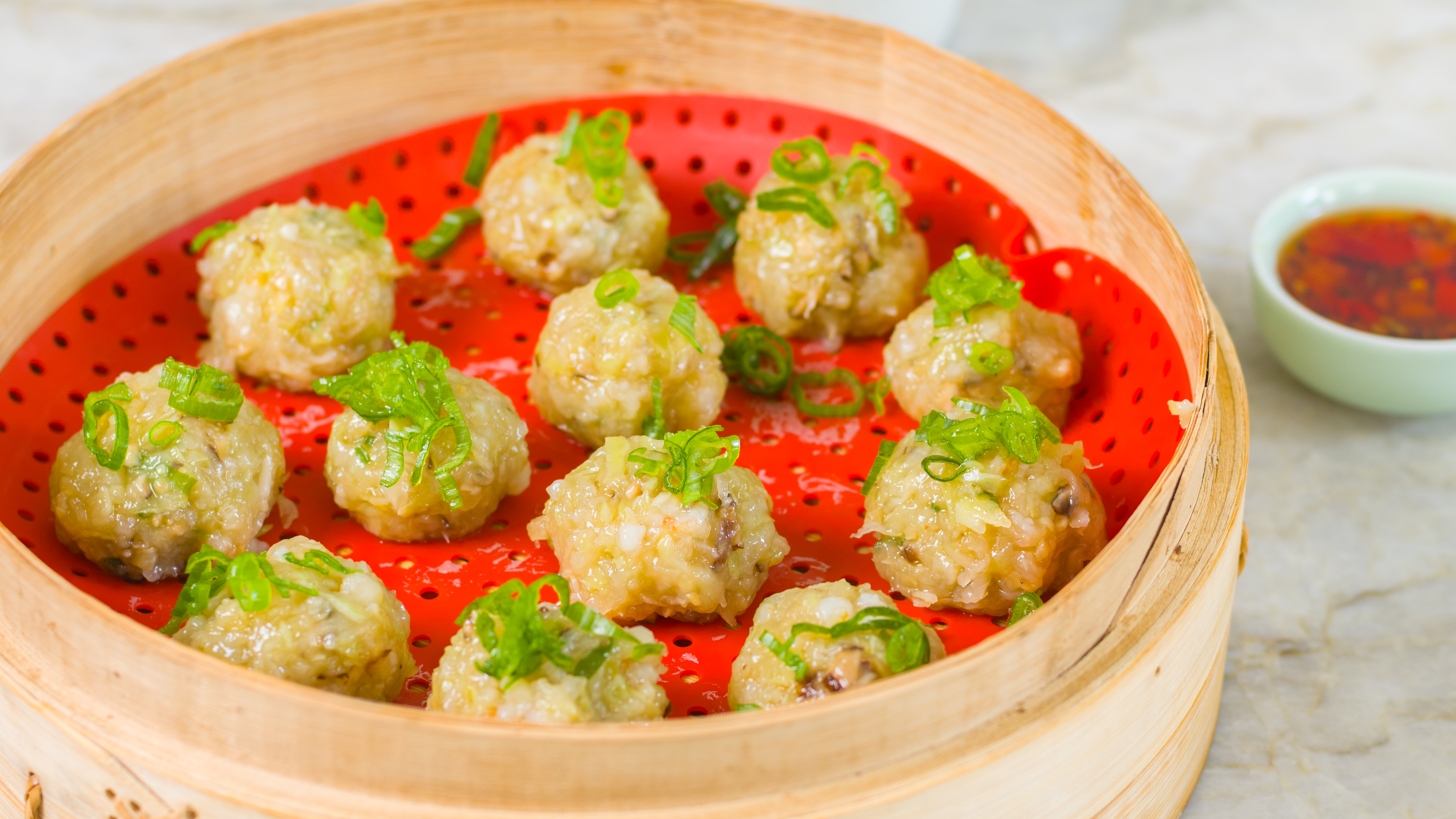
Advanced Bao Folding Technique is a step by step guide to mastering professional level pleating for steamed bao buns. This Advanced Bao Folding Technique tutorial focuses on hand positioning, structured pleat progression and controlled twisting to achieve 5, 7, 9, 11 or even 13 neat pleats around your bao.
Beautiful pleats are not about speed. They are about structure, repetition and understanding how the dough sits in your hand. This technique works for bao buns, soup dumplings and larger steamed buns, helping you create a smooth rounded base with evenly spaced pleats that gather neatly at the top.
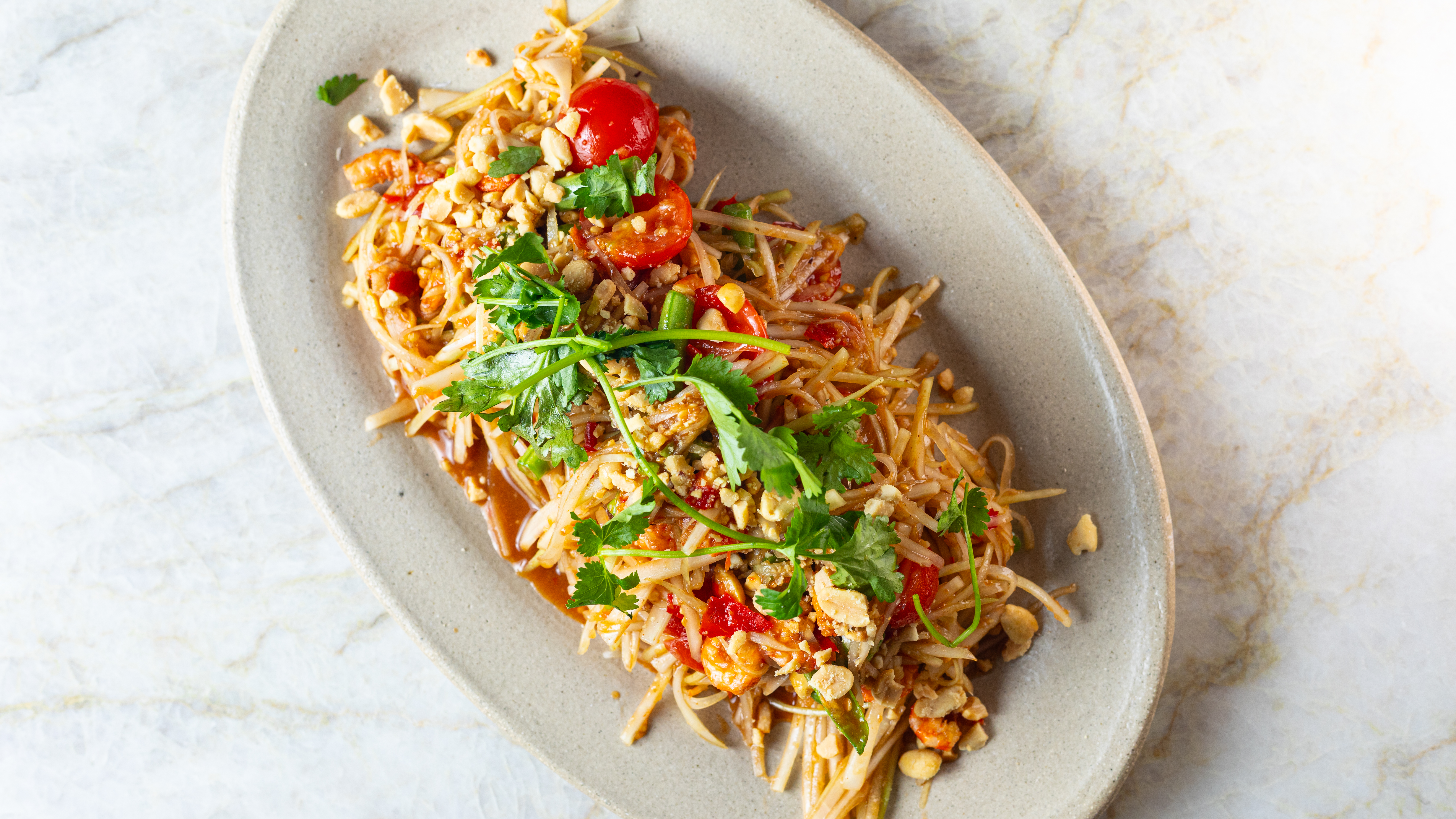
Alternate Ways To Cut Mango and Cucumbers is a knife skills tutorial inspired by street food techniques from Thailand and India. This Alternate Ways To Cut Mango and Cucumbers guide shows you how to julienne an unripe mango cleanly against the stone and how to fine dice a cucumber while keeping it mostly intact for control and precision.
These techniques focus on stability, control and using the natural structure of the ingredient to guide your knife. While traditionally done in the hand by experienced street vendors, this version adapts the methods safely for the home cook.
School of Wok Technique Guide
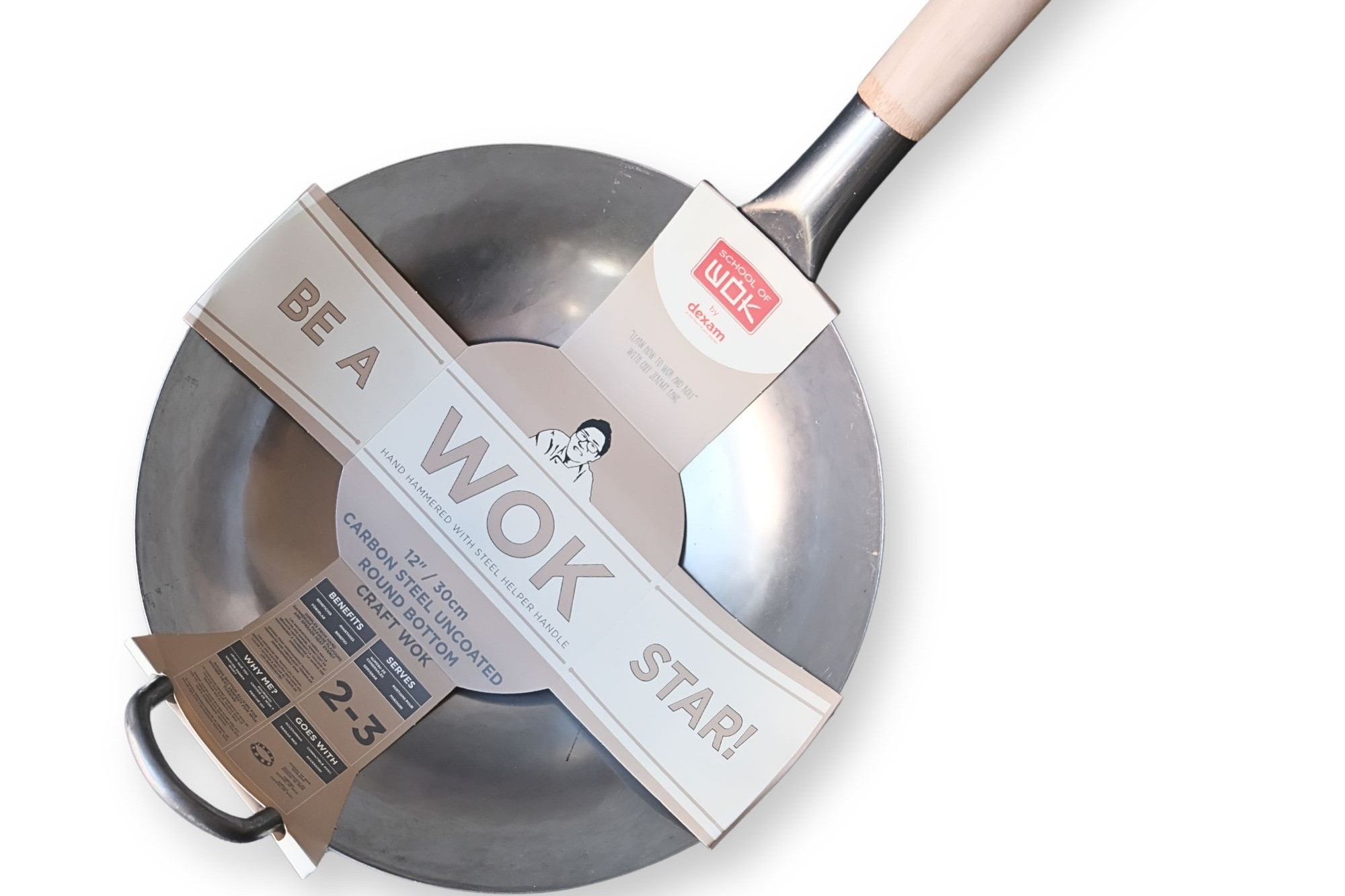
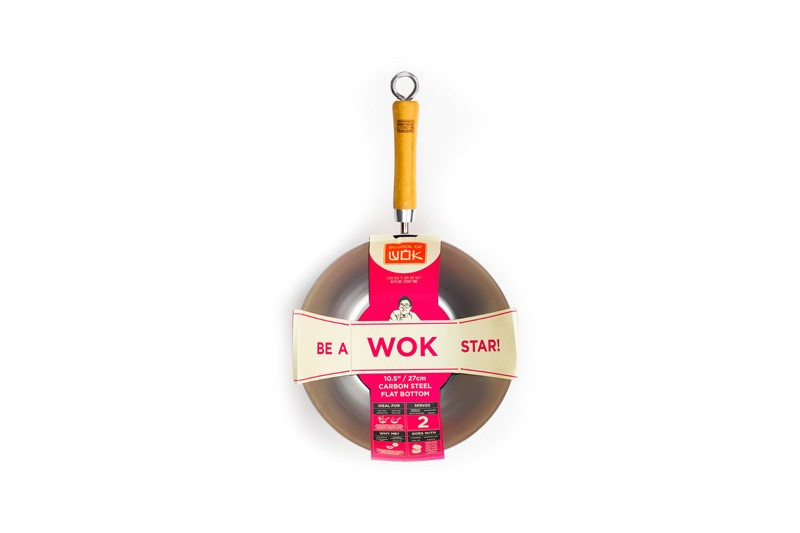
If your wok has developed rust on the inside surface, do not panic. Carbon steel woks naturally rust if left damp or not properly dried. In most cases, rust does not mean the wok is ruined. It simply needs restoring and re seasoning.
This technique guide explains how to safely remove rust and bring your wok back into working condition.
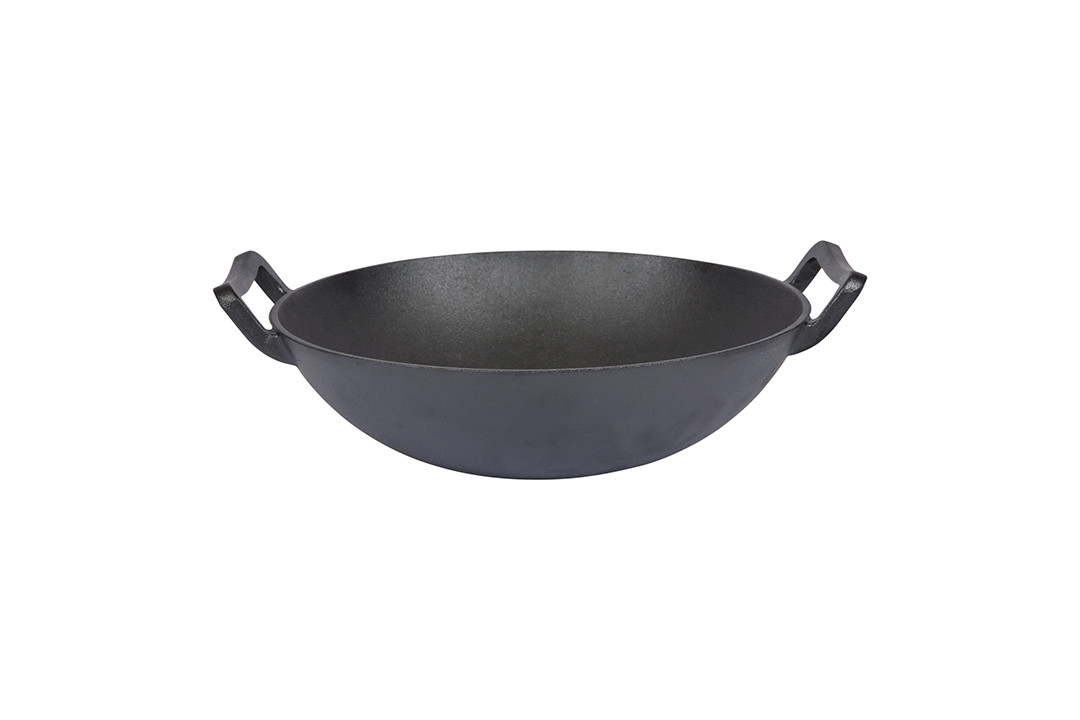
A cast iron wok is durable, retains heat exceptionally well and is perfect for slow cooking, braising and deep frying. Proper care ensures longevity, prevents rust and maintains its performance.
School of Wok Technique Guide
A properly seasoned wok is one of the most important tools in Chinese cooking. Knowing how to clean and maintain a wok correctly ensures it develops a natural non stick surface, prevents rust and improves flavour over time. This technique guide explains how to clean a wok after cooking, how to dry it properly and how to rescue a rusty wok.
School of Wok Technique Guide
If your wok has developed speckles of rust, do not throw it away. A carbon steel wok can almost always be rescued. Rust usually forms because the wok was not dried properly after washing. The good news is that rescuing a wok simply means re seasoning it correctly.
Bao Bun Steaming Techniques
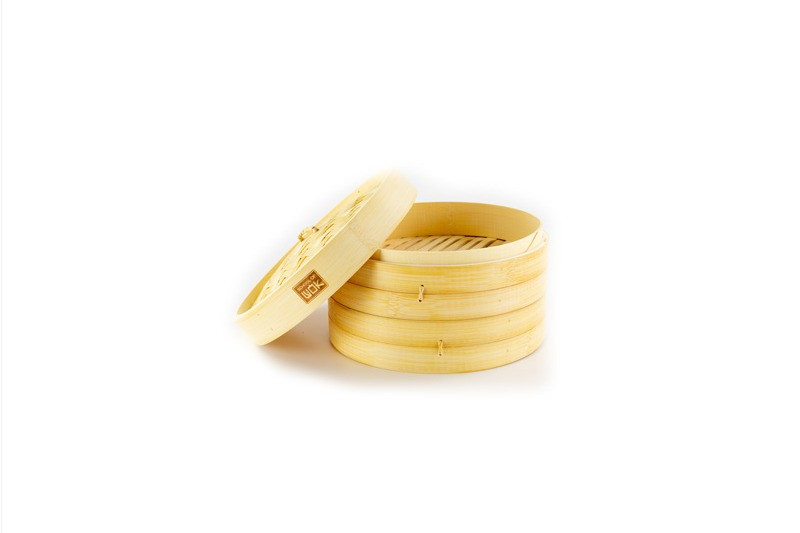
Steaming is the gold standard method for cooking bao buns and dim sum. A traditional bamboo steamer naturally absorbs excess condensation, preventing water from dripping back onto your food. However, if you do not own a bamboo steamer, there are several effective alternatives that will still give you light, fluffy bao without sogginess.
The key principle is controlling condensation. Any flat metal or glass lid will collect steam, which then drips back down onto the bao. Managing that moisture is the difference between perfect bao and soggy buns.
School of Wok Technique Guide
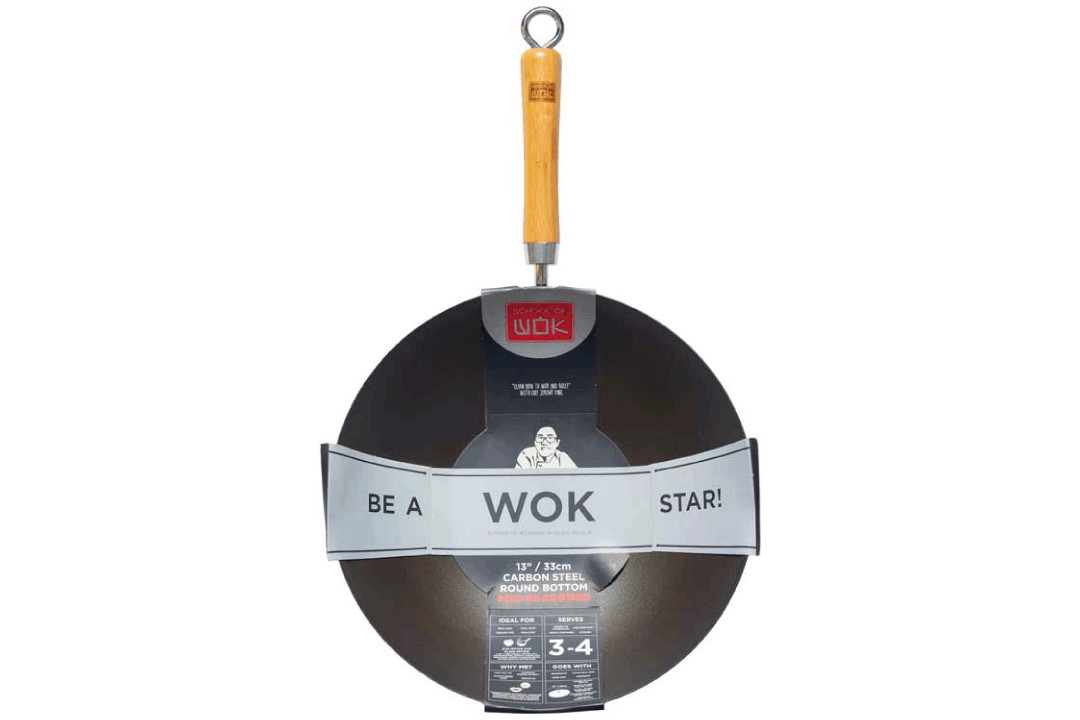
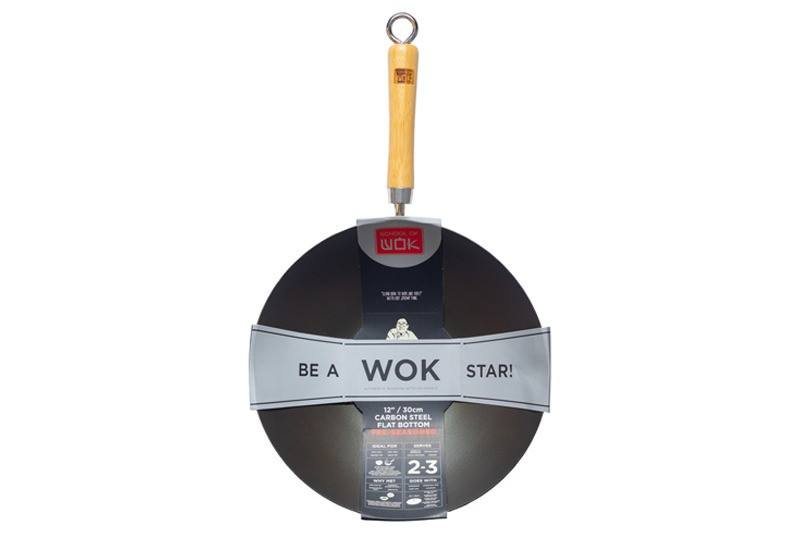
Seasoning a wok is the most important step before you begin cooking with it. Carbon steel woks come with a factory applied anti rust coating to prevent corrosion during storage and shipping. This coating must be removed completely before first use, then the metal must be heated and sealed with oil to create a natural non stick surface.
Spicy BBQ Gochujang Chicken Wings are smoky, sticky and deeply savoury, cooked slowly over charcoal and finished with a glossy Korean style glaze. This Spicy BBQ Gochujang Chicken Wings recipe balances sweet honey, salty soy and punchy gochujang with a touch of rice vinegar for brightness.
Traditionally Korean wings are deep fried before being coated in sauce, but this version embraces live fire cooking. By cooking the wings indirectly over charcoal first, then basting at the end, you get crisp skin, juicy meat and a lacquered spicy finish.