
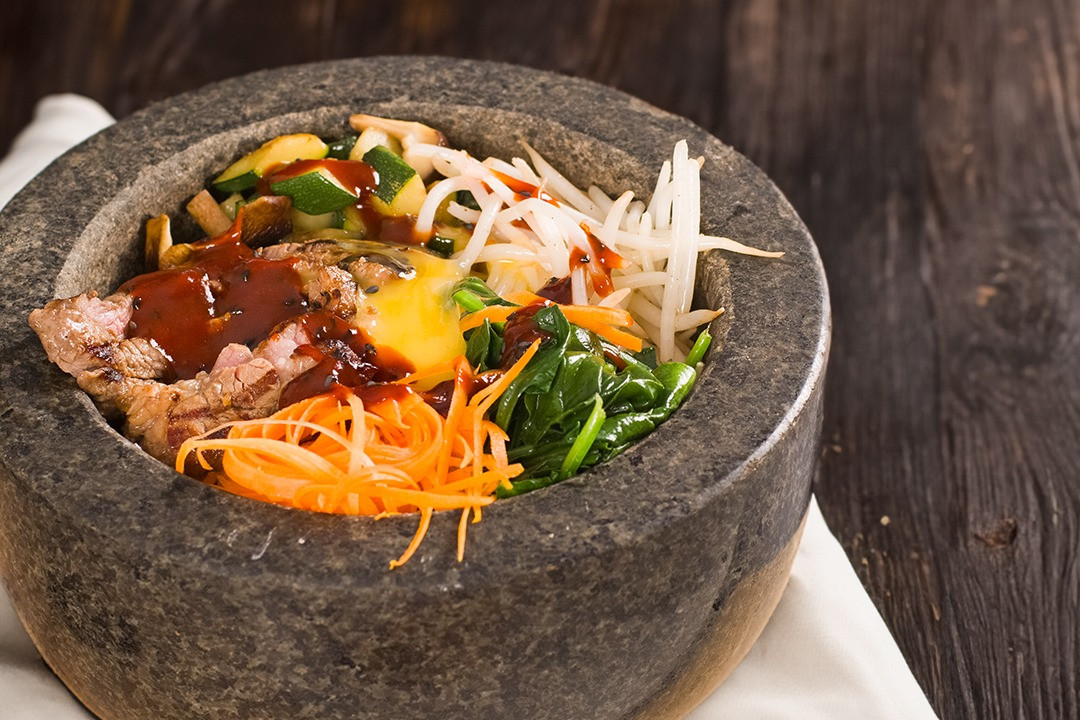
Bibimbap is one of Korea's most iconic dishes, served in a sizzling hot stone bowl with freshly cooked rice, colourful vegetables, marinated steak, a rich gochujang sauce and a silky egg yolk. As the bowl continues to sizzle at the table, the rice develops a delicious crispy crust while the vibrant vegetables and tender steak create a dish that's as beautiful to look at as it is to eat.
Cuisine
Korean
Time
55 mins
Servings
2 people
300g Japanese or Korean short-grain rice
450ml water
2 tablespoons vegetable oil (for the stone bowl)
300g sirloin steak
2 handfuls spinach
150g bean sprouts
1 carrot, peeled into ribbons or julienned
1 courgette, cut into chunky batons
150g fresh shiitake mushrooms, torn into pieces
1 tablespoon vegetable oil
2 egg yolks
The Marinade
2 garlic cloves, finely sliced
2 spring onions, cut into lengths
1 tablespoon light soy sauce
1 teaspoon soft brown sugar
¼ teaspoon ground black pepper
1 teaspoon sesame oil
The Seasoning
Sea salt, to taste
Ground black pepper (for the bean sprouts)
2 teaspoons sesame oil
The Sauce
2 tablespoons gochujang
1 teaspoon light soy sauce
1 teaspoon sesame oil
1 teaspoon black sesame seeds
1 tablespoon water
1. Slice the garlic and cut the spring onions into lengths. Place the steak into a bowl with the garlic, spring onions, light soy sauce, brown sugar, black pepper and sesame oil. Massage the marinade into the meat and leave to marinate for 30 minutes, or up to 1 hour. Meanwhile, cook the rice using the water according to your preferred method until tender. If using a stone bowl, place it into a cold oven and gradually heat it from 200°C to 250°C to prevent cracking.
2. Blanch the spinach in boiling water for a few seconds until just wilted.
3. Drain and immediately season with a pinch of sea salt and a drizzle of sesame oil.
4. Blanch the bean sprouts for 20–30 seconds, then drain and season with a pinch of salt, black pepper and sesame oil.
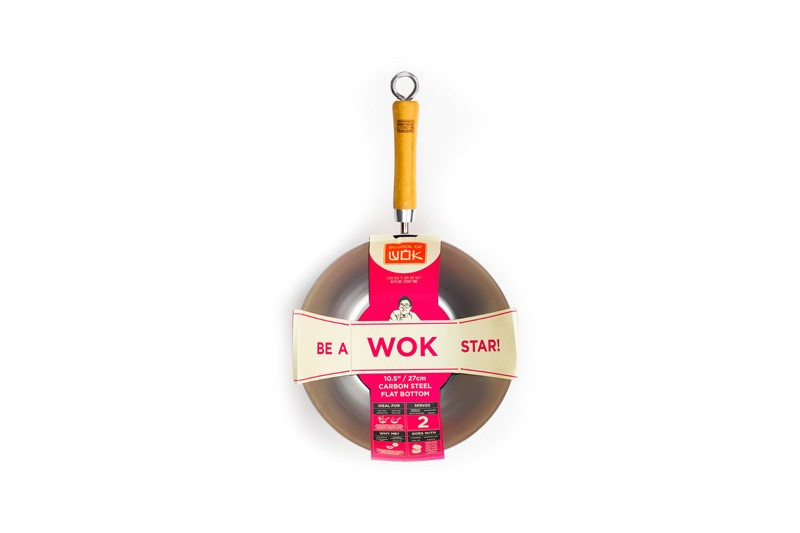
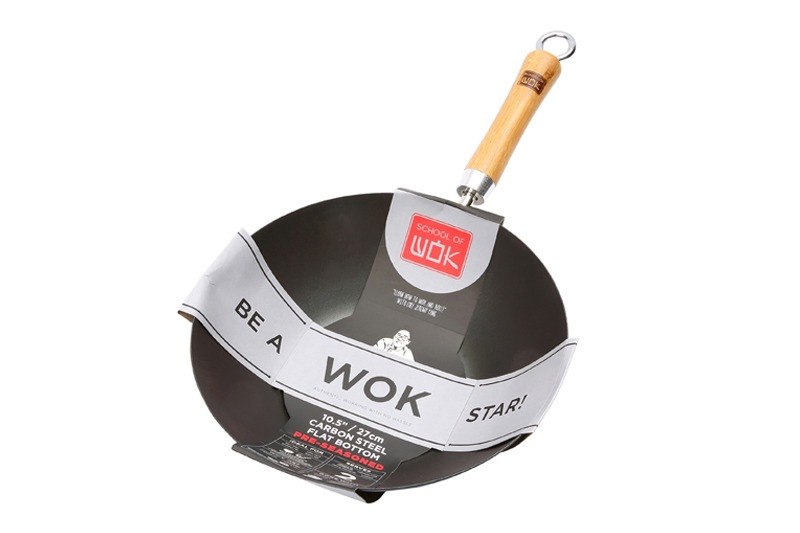
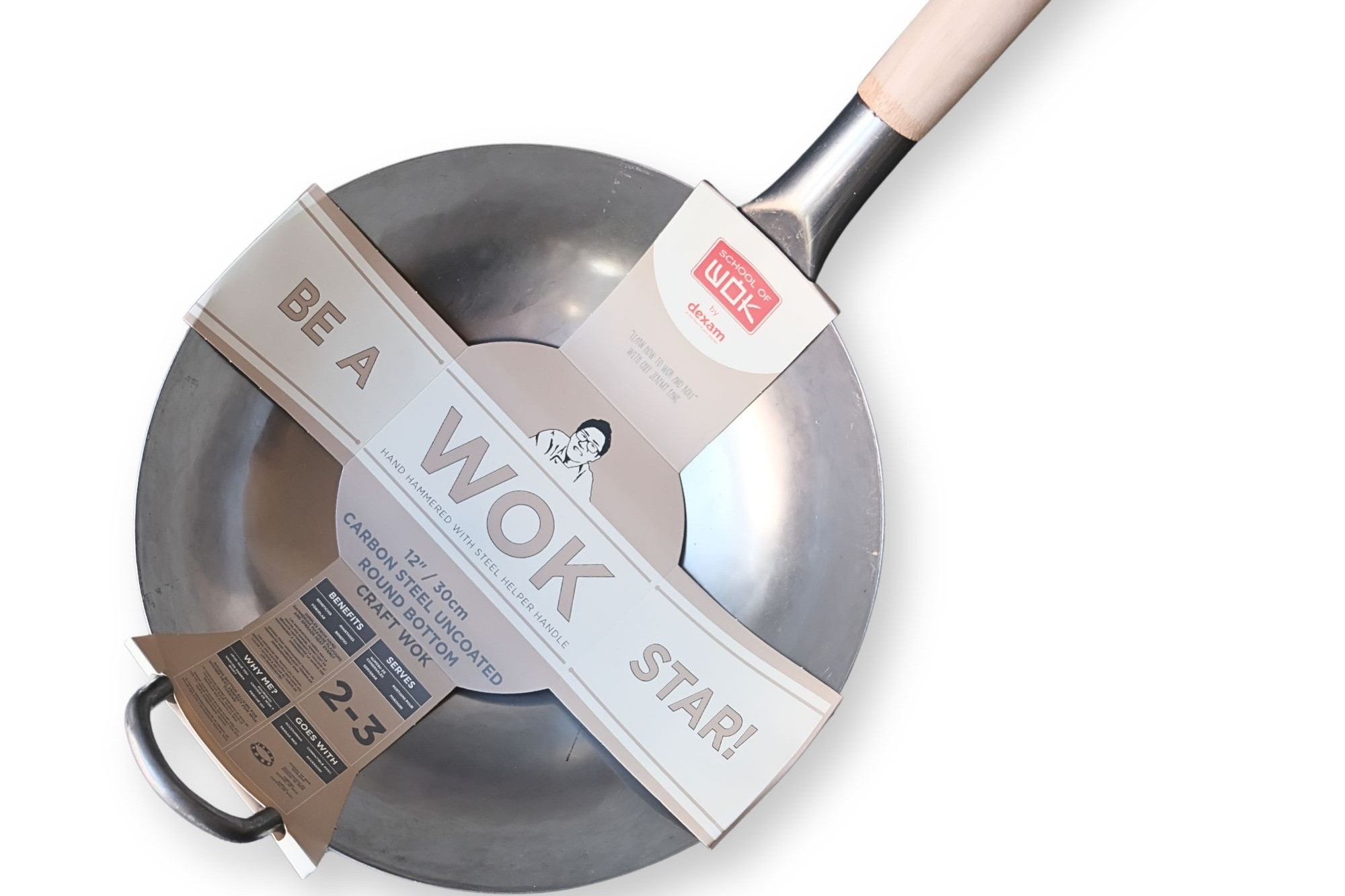
5. Heat a wok over a high heat until smoking and add the vegetable oil.
6. Stir-fry the courgette and shiitake mushrooms until lightly browned. Season with a small pinch of salt and a drizzle of sesame oil at the end of cooking.
7. Mix together the gochujang, light soy sauce, sesame oil, black sesame seeds and water to make a smooth sauce.
8. Heat a griddle pan or frying pan until smoking hot. Remove the garlic and spring onions from the steak and sear for about 1 minute per side, or until cooked to your preferred doneness. Rest briefly before slicing.
9. Carefully remove the hot stone bowl from the oven. Swirl in the vegetable oil, then add the cooked rice, pressing it firmly against the base. Return to the oven for 5 minutes to create a crispy rice crust.
10. Arrange the spinach, bean sprouts, carrot ribbons, courgette, mushrooms and sliced steak neatly over the rice.
11. Place an egg yolk in the centre.
12. Drizzle over the bibimbap sauce and serve immediately while the bowl is sizzling. Mix everything together before eating.
School of Wok Tips
Gradually heat a stone bowl in the oven to avoid thermal shock and cracking.
Season each vegetable individually after cooking to preserve its natural flavour and vibrant colour.
Sear the vegetables before seasoning them—adding salt too early draws out moisture and prevents proper caramelisation.
Pressing the rice firmly into the hot bowl creates the prized crispy rice crust (nurungji) that makes bibimbap so satisfying.
FAQs
Can I make bibimbap without a stone bowl?
Yes. A regular serving bowl works well, although you won't get the signature crispy rice. You can also crisp the rice in a cast-iron skillet before assembling.
Can I use another protein?
Absolutely. Chicken, pork, tofu or mushrooms all work beautifully. Bibimbap is highly adaptable and traditionally made with whatever ingredients are available.
Why is the egg yolk served raw?
The heat from the sizzling rice gently warms the yolk. Once mixed through, it creates a rich, creamy sauce that coats every grain of rice and ties the dish together.
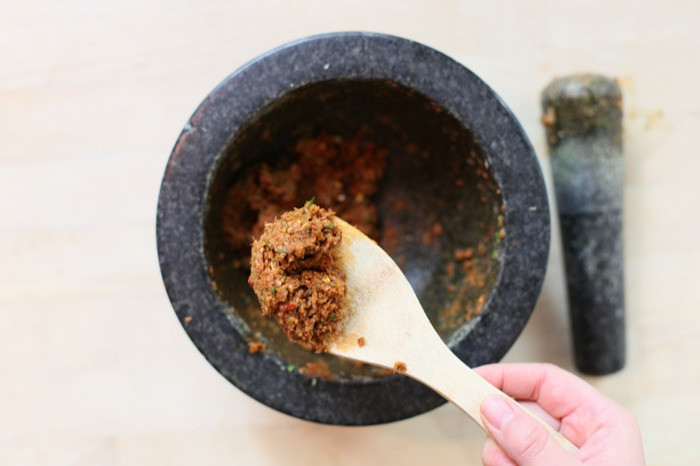
Menu: Gaeng Hung Lay, Northern Thai Laab, Bangkok Crab Omelette, Khao Yum

12 Spaces Left
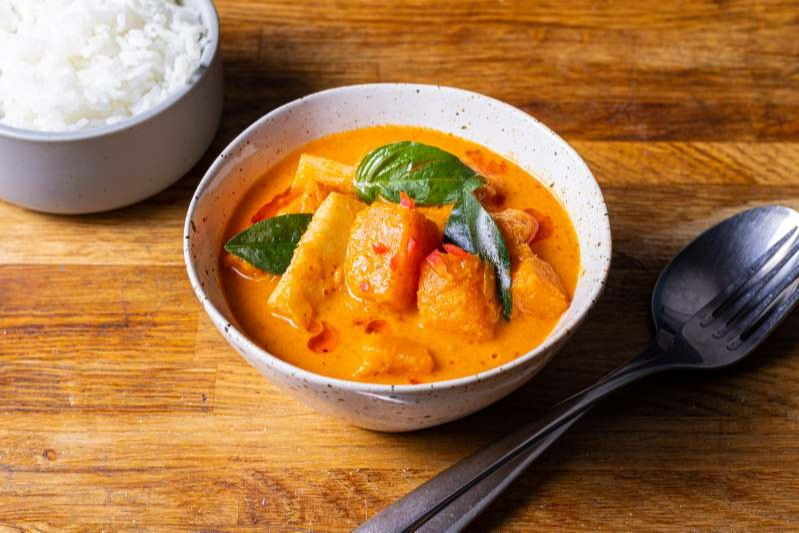
Menu: Butternut Squash Red Curry, Green Papaya Salad, Veg Thai Spring Rolls, Sticky Rice
8 Spaces Left
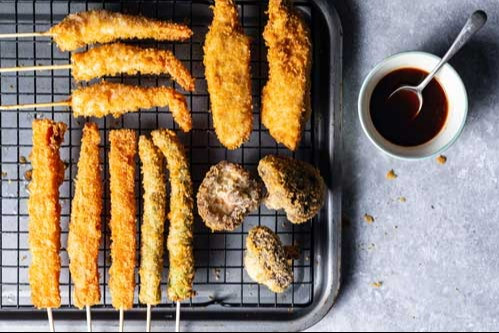
Menu: Gyoza, Broccoli Goma-ae, Vegetable Okonomiyaki, Chicken Yakitori, Kushikatsu
12 Spaces Left
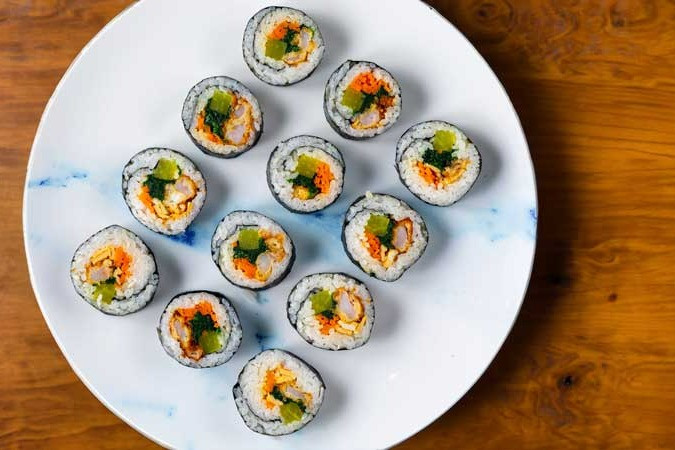
Menu: Kimchi Mandu, Yachaejeon, Vegetarian Kimbap, Kimchi
5 Spaces Left
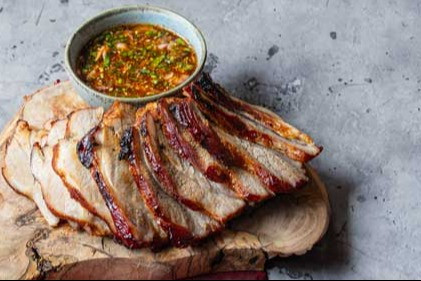
Menu: Som Tam Salad, Grilled Pork, Thai Green Chicken Curry, Pad Thai, Coconut Rice, Thai Mango Sticky Rice
12 Spaces Left
Menu: Gaeng Hung Lay, Northern Thai Laab, Bangkok Crab Omelette, Khao Yum
12 Spaces Left
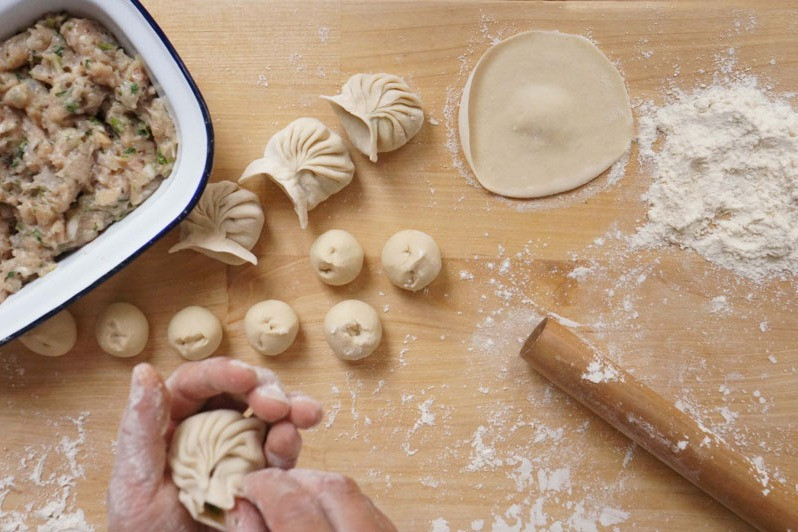
Menu: Siu Mai, Glutinous Rice in Lotus Leaf, Pork Wontons, Jiao Zi, Hor Fun
12 Spaces Left
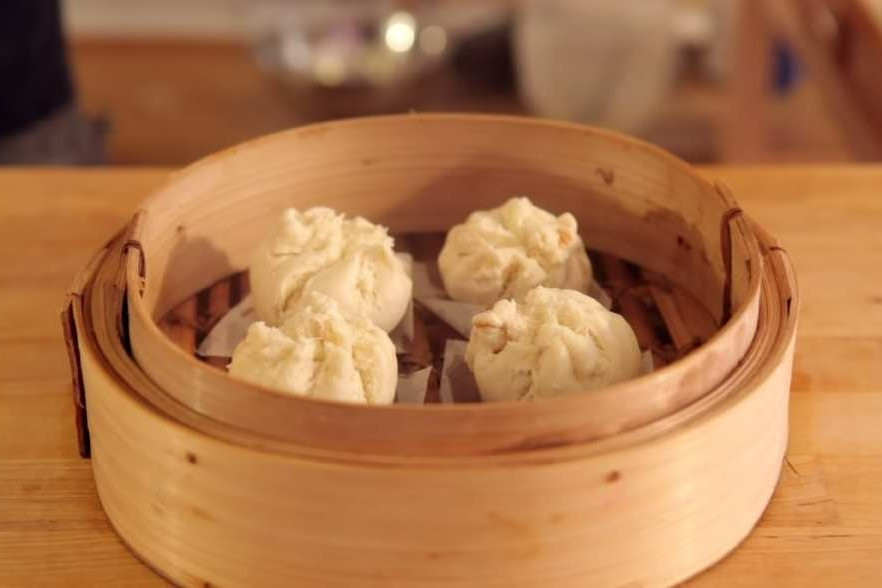
Menu: Char Sui Pork Bao Bun, Jiaozi , Gui Chai Tod, Smashed Cucumber Salad
12 Spaces Left
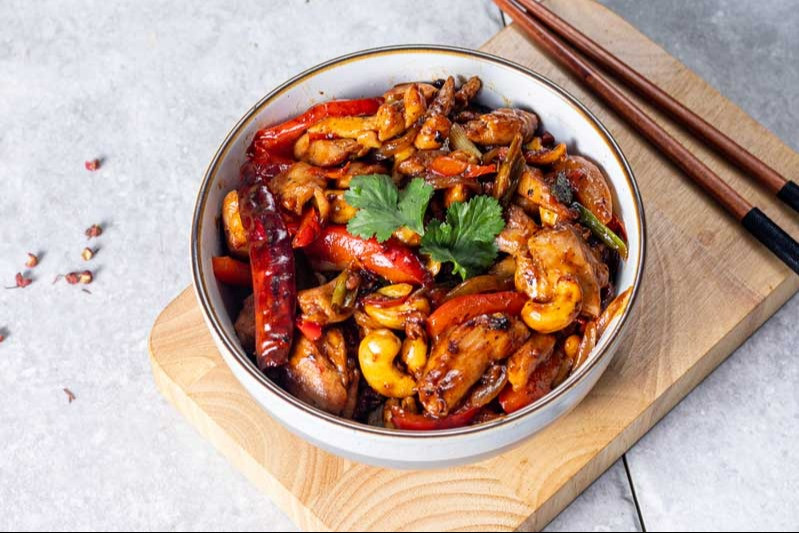
Menu: Beef Hor Fun, Salt & Pepper Tofu, Sichuan Chicken, Egg Fried Rice, Jiao Zi, Kai Lan & Ginger Stir Fry
8 Spaces Left
Menu: Beef Hor Fun, Salt & Pepper Tofu, Sichuan Chicken, Egg Fried Rice, Jiao Zi, Kai Lan & Ginger Stir Fry
10 Spaces Left