
Bao Bun Steaming Techniques
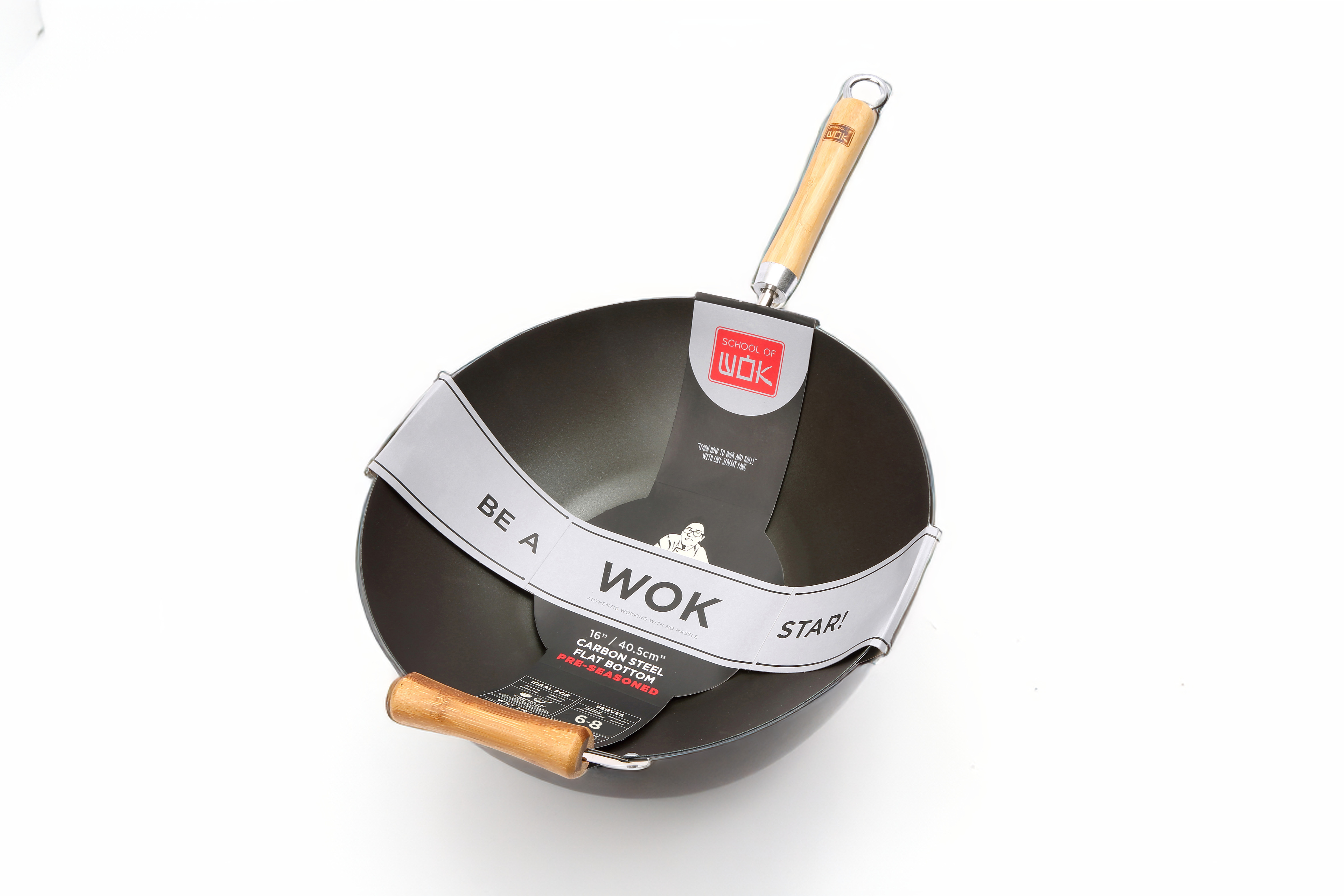
Steaming is the gold standard method for cooking bao buns and dim sum. A traditional bamboo steamer naturally absorbs excess condensation, preventing water from dripping back onto your food. However, if you do not own a bamboo steamer, there are several effective alternatives that will still give you light, fluffy bao without sogginess.
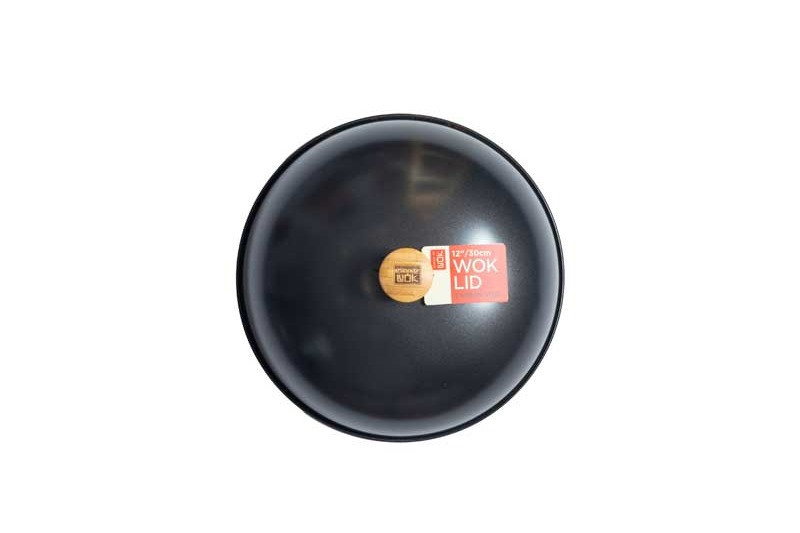
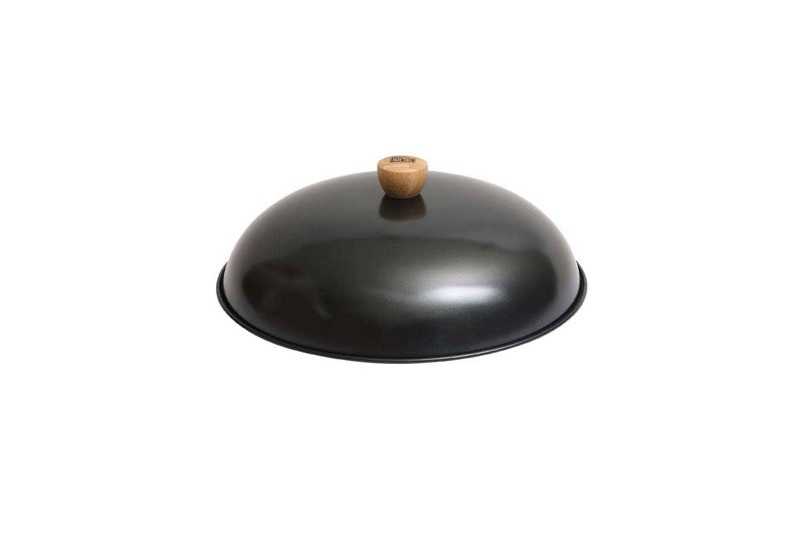
The key principle is controlling condensation. Any flat metal or glass lid will collect steam, which then drips back down onto the bao. Managing that moisture is the difference between perfect bao and soggy buns.
Cuisine
Chinese
Time
Servings
people
Equipment Options
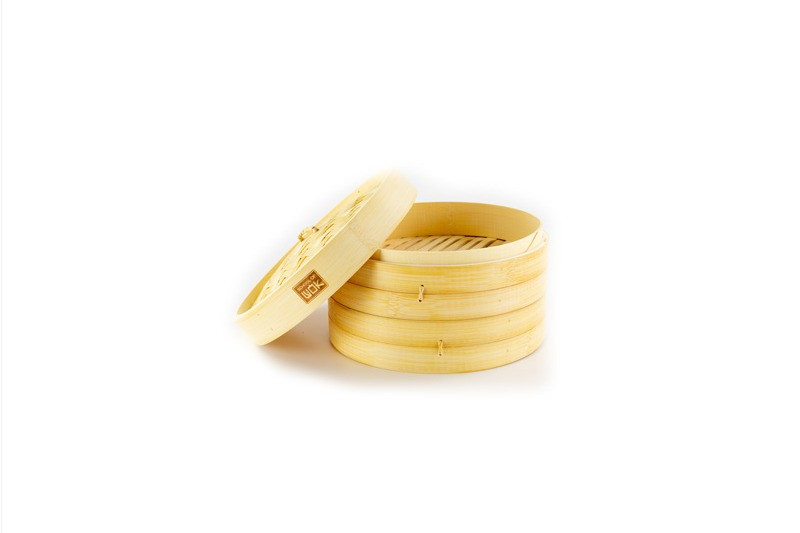
Method 1: Bamboo Steamer
The Gold Standard
The bamboo absorbs excess condensation, keeping bao dry and fluffy.
Method 2: Metal Steamer with Lid
Metal steamers work well but require moisture control.
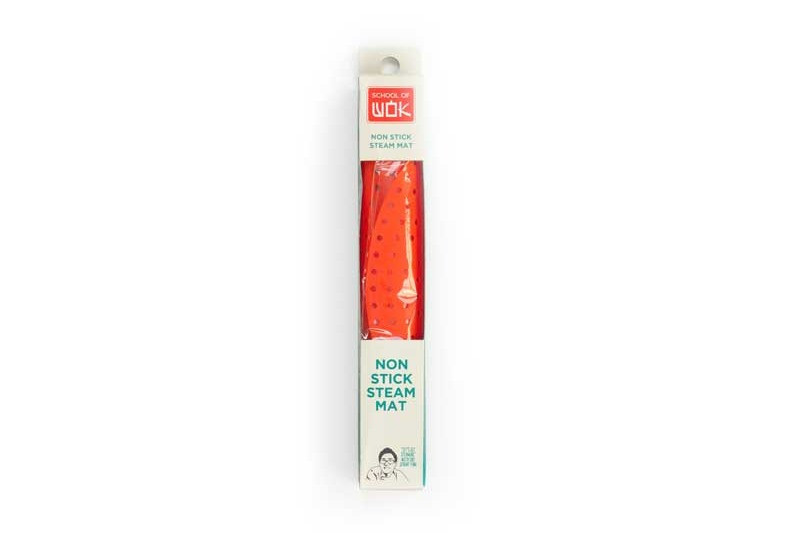
The cloth prevents condensation from dripping directly onto the bao.
Method 3: Tabletop Electric Steamer
Even with more visible condensation, bao should remain light if spaced properly.
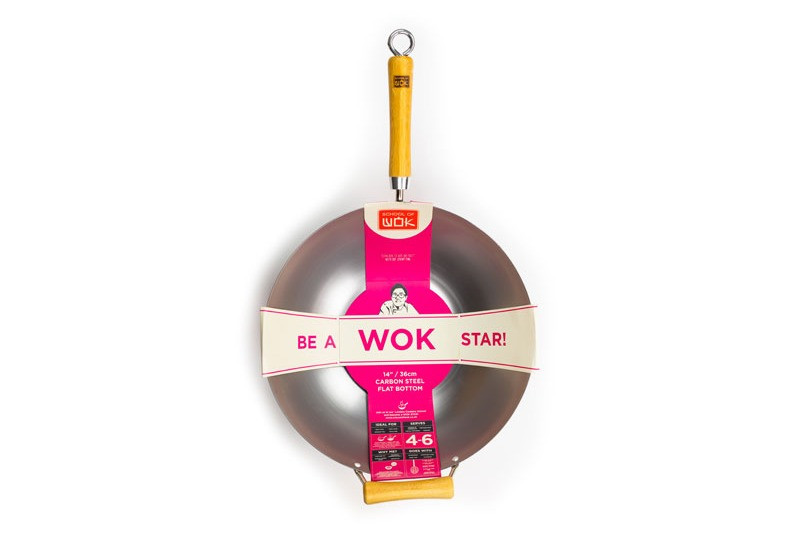
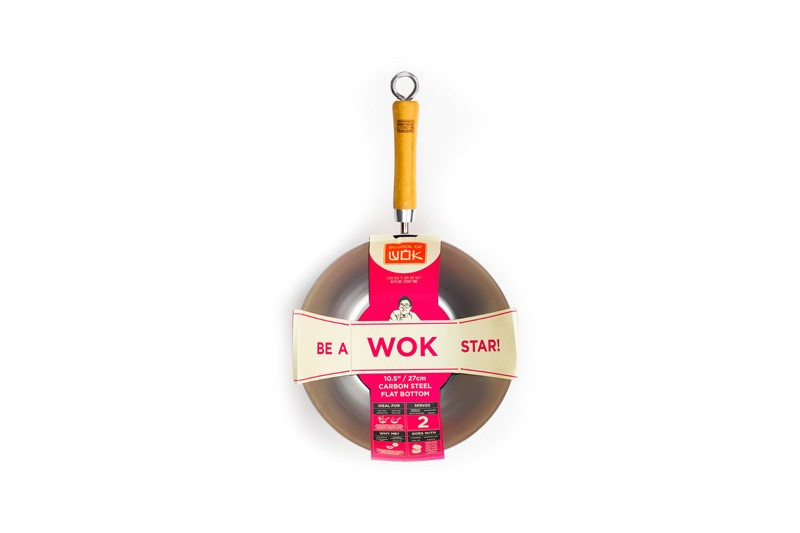
Method 4: Wok or Saucepan with Plate
If you do not own any type of steamer, this method works perfectly.
This method produces excellent results as long as the bao are not sitting in water and condensation is managed.
Steaming Guidelines
School of Wok Tips
FAQs
Why does a bamboo steamer work better?
Bamboo absorbs excess moisture, preventing dripping and sogginess.
Can I steam bao directly on a plate?
Yes, as long as the plate is elevated above boiling water and lined with greaseproof paper.
Why are my bao soggy?
Most likely from condensation dripping back down. Use a cloth under the lid and avoid overcrowding.
Menu: Gado-Gado, Beef Rendang, Ayam Taliwang, Sate Ayam Madura, Nasi Kuning, Klepon

2 Spaces Left
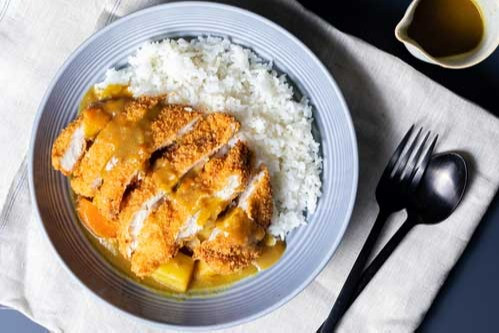
Menu of the day: Gyoza, Chicken Katsu Curry, Broccoli Gomaae and steamed rice
12 Spaces Left
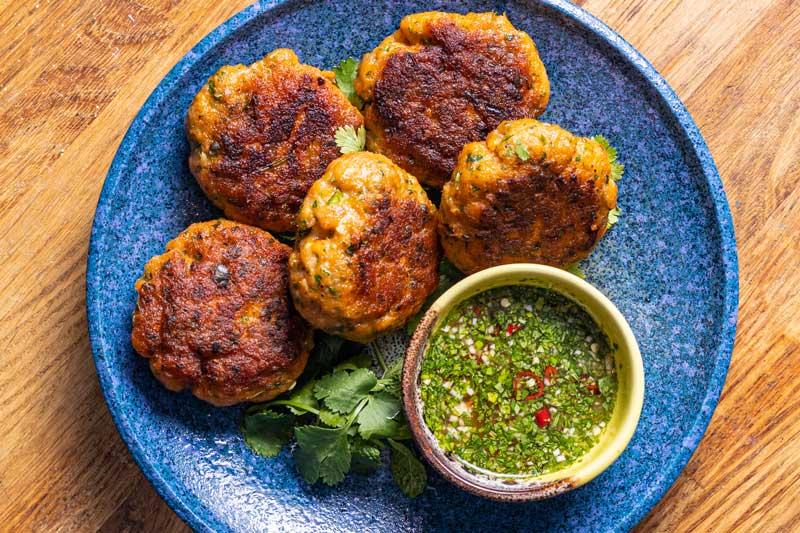
Menu: Jungle Curry, Thai Fish Cakes, Flash Fried Morning Glory, Son in Law Eggs, Steamed Jasmine Rice
10 Spaces Left
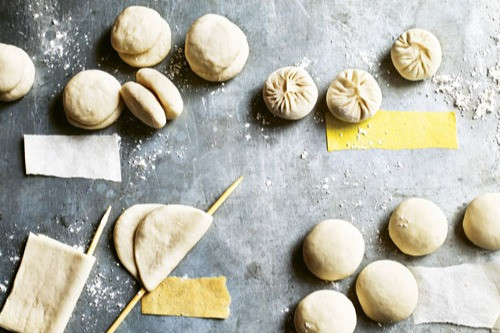
Menu: BBQ Chicken Bao, Siu Mai, Custard Bao, Pork Wontons
8 Spaces Left
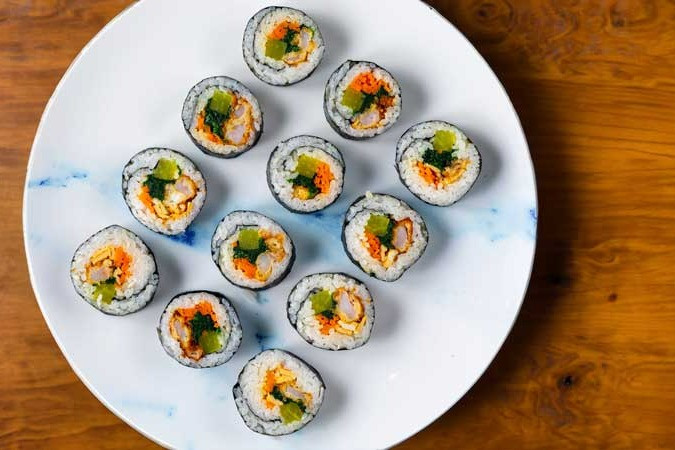
Menu: Kimchi Mandu, Yachaejeon, Vegetarian Kimbap, Kimchi
9 Spaces Left
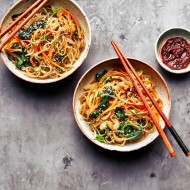
Menu: Kimchi Pancake - Spicy Pork Belly Bulgogi - Kimchi - Japchae
12 Spaces Left
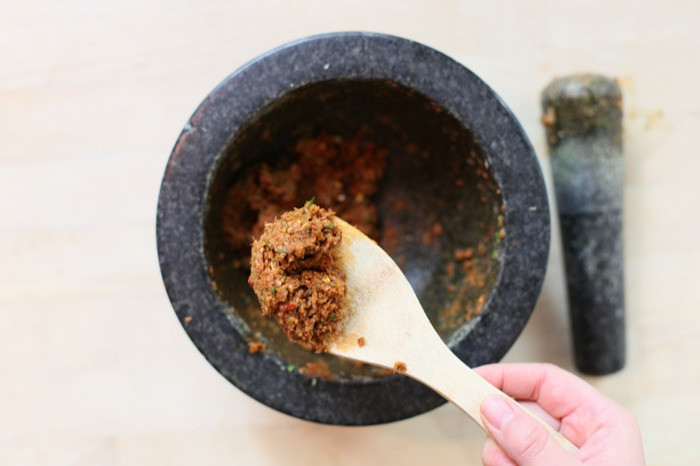
Menu: Gaeng Hung Lay, Northern Thai Laab, Bangkok Crab Omelette, Khao Yum
11 Spaces Left
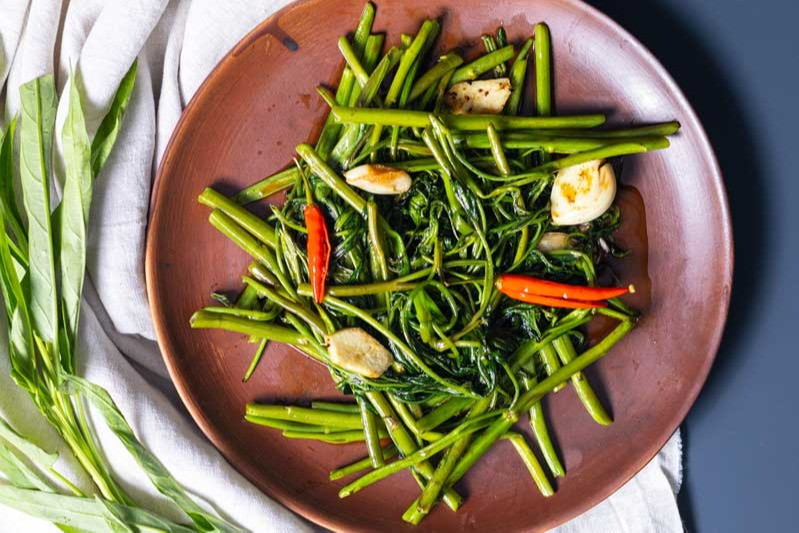
Menu: Jiao Zi, Stir Fried Sichuan Chicken, Flash Fried Morning Glory, Egg Fried Rice
8 Spaces Left
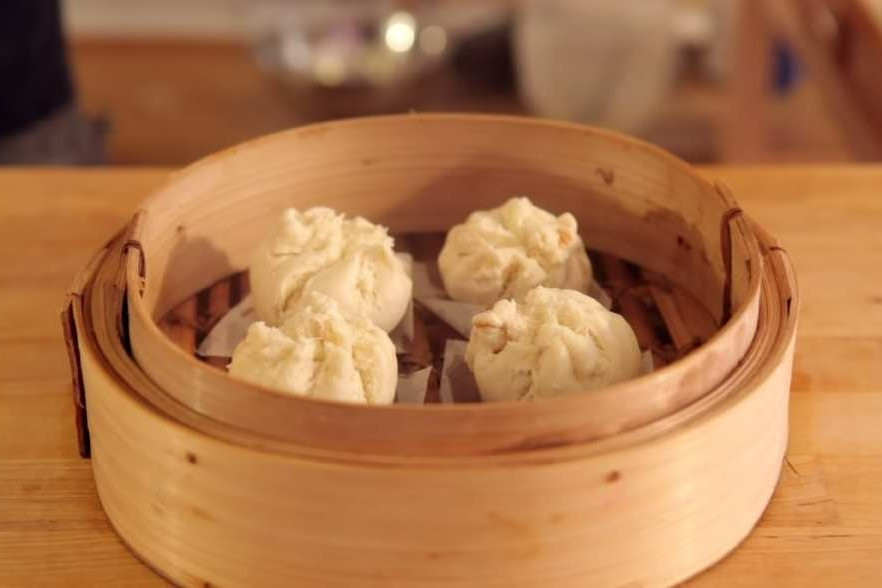
Menu: Char Sui Pork Bao Bun, Jiaozi , Gui Chai Tod, Smashed Cucumber Salad
2 Spaces Left
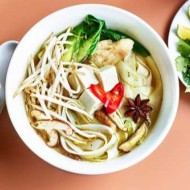
Menu: Beef Pho, Banh Mi, Lemongrass Grilled Pork, Summer Rolls, Prawn & Green Mango Salad
12 Spaces Left