
Deep frying is one of the most important techniques in Chinese cooking, but it's not simply about cooking food in hot oil. The key is understanding heat control. Different foods require different frying temperatures, and adjusting the heat during cooking creates crisp, non-greasy results while ensuring thicker ingredients cook all the way through.
Cuisine
Southeast Asian
Time
Servings
people
Understanding Deep Frying
Unlike many Western recipes that call for a single frying temperature, Chinese cooking often uses multiple heat stages during the same cooking process.
For example:
Why Temperature Matters
The biggest mistake when deep frying is placing food into oil that isn't hot enough.
Oil Too Cold
When food enters cool oil:
Bread is a perfect demonstration—it acts like a sponge, soaking up oil before eventually browning. Meat, fish, tofu and vegetables behave in exactly the same way.
Oil at the Correct Temperature
At approximately 180°C:
This principle applies to almost every deep-fried dish.
The High-to-Low Heat Technique
For thicker ingredients:
This method creates food that's crispy on the outside while remaining juicy inside.
Checking Oil Temperature Without a Thermometer
A simple wooden chopstick or wooden spoon can be used:
School of Wok Tips
FAQs
Why does my fried food turn greasy?
Usually because the oil wasn't hot enough when the food was added. The food absorbs oil before the exterior has a chance to seal.
Should I always fry at 180°C?
Not necessarily. While 180°C is an excellent starting point, many Chinese recipes deliberately reduce the heat during cooking so thicker ingredients cook through without burning.
What is oil blanching?
Oil blanching is a quick deep-fry at a high temperature that seals the outside of ingredients
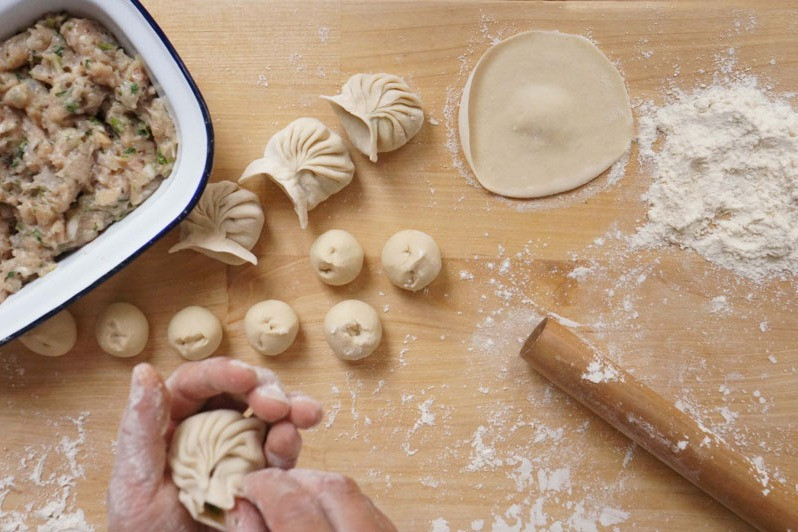
Menu: Siu Mai, Glutinous Rice in Lotus Leaf, Pork Wontons, Jiao Zi, Hor Fun

12 Spaces Left
Menu: Kimchi Pancake - Spicy Pork Belly Bulgogi - Kimchi - Japchae
12 Spaces Left
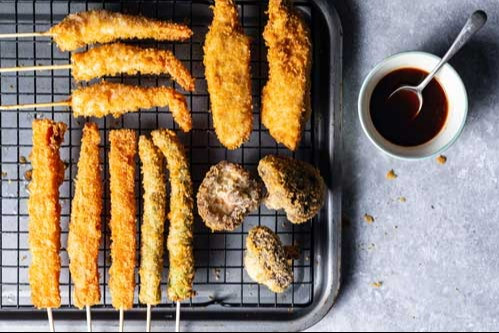
Menu: Gyoza, Broccoli Goma-ae, Vegetable Okonomiyaki, Chicken Yakitori, Kushikatsu
12 Spaces Left
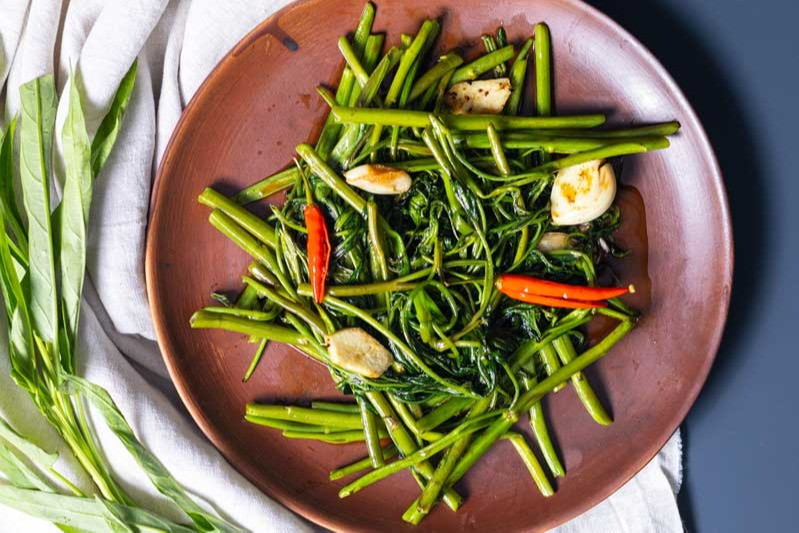
Menu: Jiao Zi, Stir Fried Sichuan Chicken, Flash Fried Morning Glory, Egg Fried Rice
8 Spaces Left
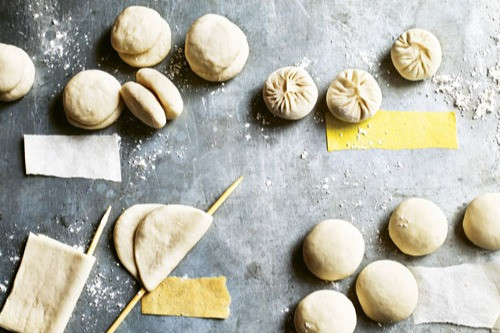
Menu: BBQ Chicken Bao, Siu Mai, Custard Bao, Pork Wontons
7 Spaces Left
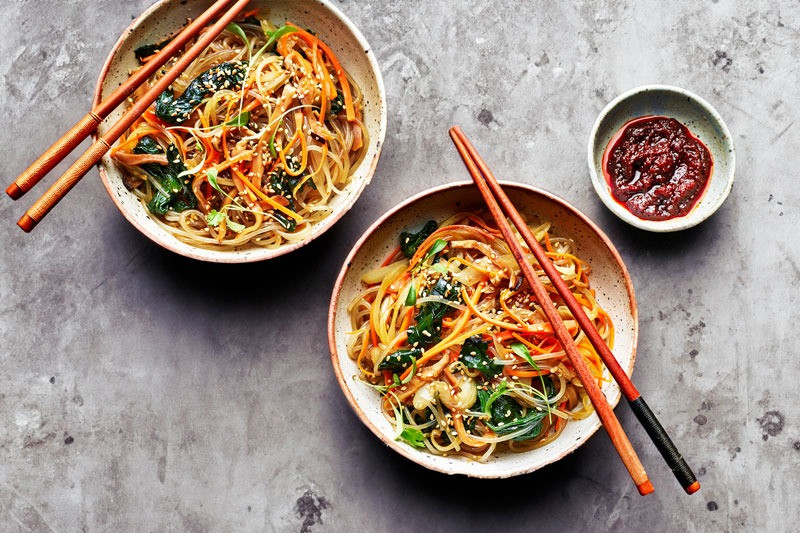
Menu: Tteok-bokki, Gimmari, Beef Bulgogi, Korean Spicy Chicken Skewers, Hotteok
5 Spaces Left
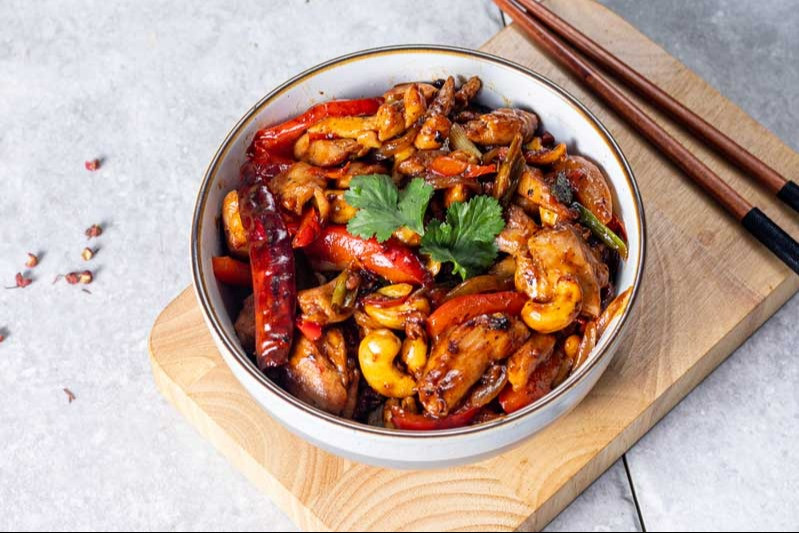
Menu: Beef Hor Fun, Salt & Pepper Tofu, Sichuan Chicken, Egg Fried Rice, Jiao Zi, Kai Lan & Ginger Stir Fry
9 Spaces Left
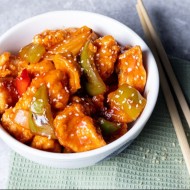
Menu: Sweet & Sour Pork, Chicken & Cashew Nuts Stir-fry, Chinese Vegetarian Spring Rolls, Hong Kong Noodles, Egg Fried Rice, Prawn Wontons
3 Spaces Left
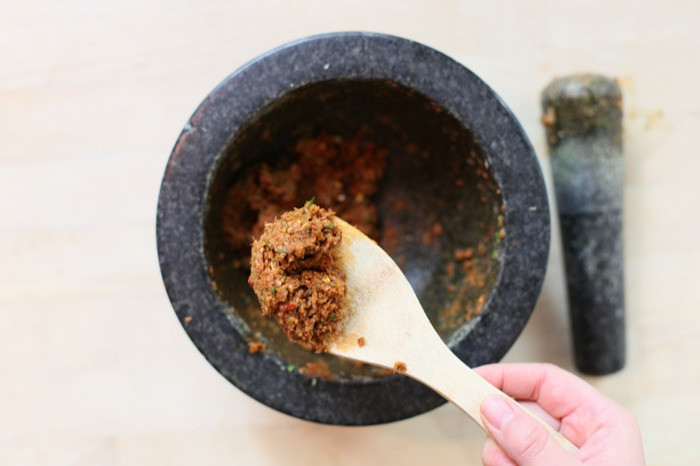
Menu: Gaeng Hung Lay, Northern Thai Laab, Bangkok Crab Omelette, Khao Yum
1 Spaces Left