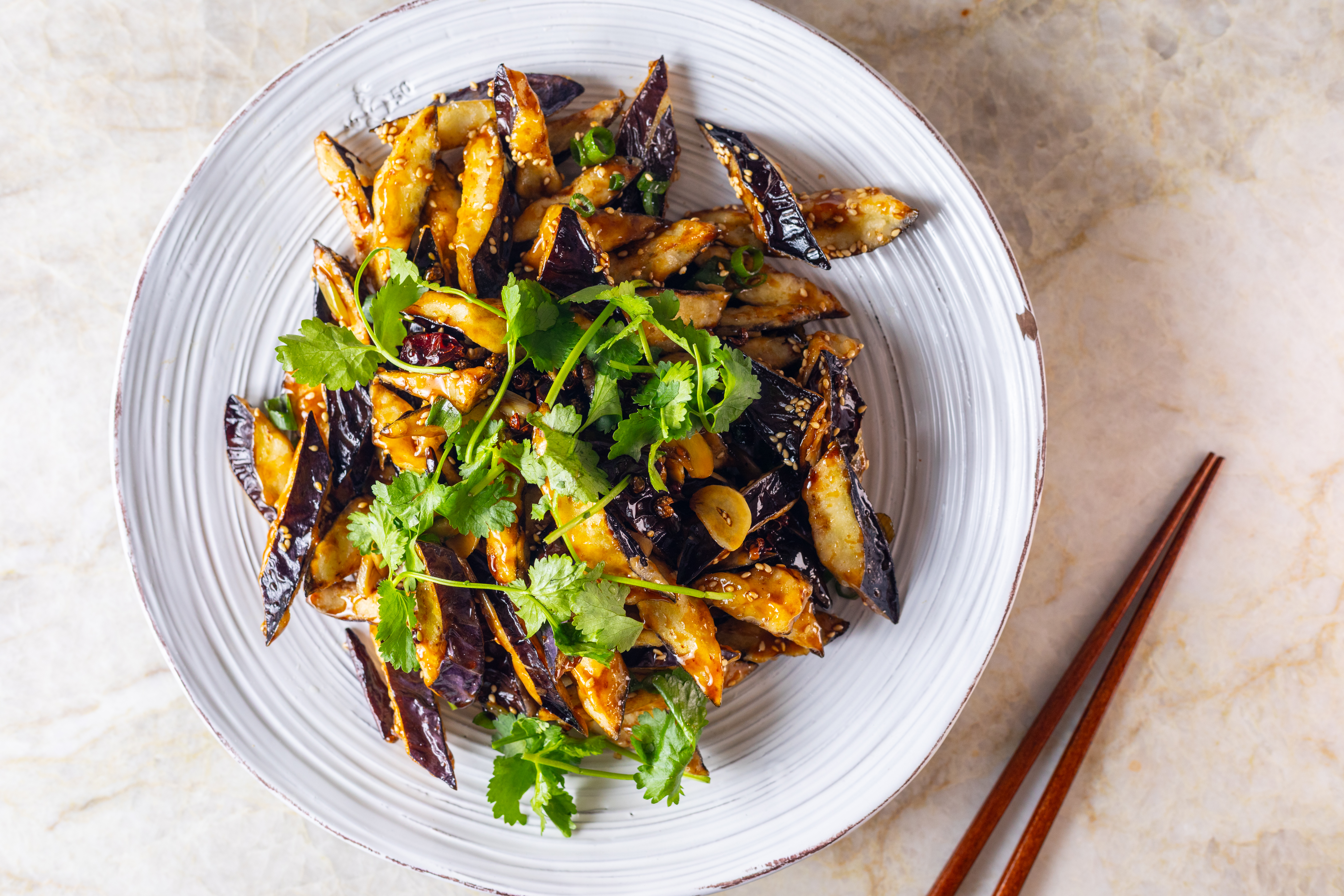
This sweet and sour aubergine takes a different route from the familiar ketchup-based Cantonese version. Inspired by the sharper sweet and sour flavours of northern Chinese cooking, the sauce combines black rice vinegar and white rice vinegar for two distinct layers of acidity. The aubergine is coated in cornflour and double-fried until exceptionally crisp, then quickly tossed with dried chillies, Sichuan peppercorns, garlic and spring onion before being glazed in the sticky sauce.
Cuisine
Chinese
Time
40 mins
Servings
-59 people
2 large aubergines
100g cornflour, plus extra if needed
Cold water, as needed
1 tablespoon white rice vinegar
Vegetable oil, for deep-frying
For the Sweet & Sour Sauce
3 tablespoons caster sugar
2 tablespoons black rice vinegar
1 tablespoon white rice vinegar
1 tablespoon light soy sauce
1 tablespoon oyster sauce
For the Aromatics
3 garlic cloves, thinly sliced
2 spring onions, sliced
4 dried red chillies, torn into pieces and deseeded
1 teaspoon red Sichuan peppercorns
1 teaspoon green Sichuan peppercorns
To Garnish
1 tablespoon sesame seeds
2 spring onions, finely sliced
Small handful fresh coriander
1. Quarter the aubergines lengthways, remove some of the soft central core, then cut the flesh diagonally into chunky diamond-shaped pieces. Place them immediately into a bowl of cold water mixed with the white rice vinegar to prevent discolouration and help preserve their purple colour. Prepare the garlic and spring onions, then tear the dried chillies into pieces and remove their seeds. Drain the aubergine but do not dry it completely. The moisture helps the cornflour cling to its surface. Gradually toss the wet aubergine with the cornflour, adding a splash more water and cornflour if necessary, until every piece has a thin, even coating.
2. Heat a wok of vegetable oil to approximately 170°C. If you do not have a thermometer, dip a wooden chopstick into the oil. Small, steady bubbles around it indicate that the oil is ready.
3. Carefully lower the aubergine into the oil in batches. Deep-fry until cooked through and lightly golden, then drain and allow it to cool for a few minutes.
4. Increase the temperature of the oil and return the aubergine to the wok in batches. Fry for around 20 seconds, stirring to ensure an even colour, until the coating is deeply crisp. Do not overcrowd the wok, as this will rapidly lower the oil temperature and make the aubergine greasy.
5. Mix the caster sugar, black rice vinegar, white rice vinegar, light soy sauce and oyster sauce together in a bowl until well combined.
6. Pour away the frying oil, leaving a small amount in the wok, and place it over a medium heat.
7. Add the red and green Sichuan peppercorns and dried chillies. Stir-fry briefly until fragrant and the chillies begin to toast.
8. Add the sliced garlic and spring onions and continue stir-frying until aromatic.
9. Pour in the sweet and sour sauce and allow it to bubble until it reduces to a sticky glaze.
10. Turn off the heat before returning the crispy aubergine to the wok. Toss quickly to coat each piece without allowing the coating to soften.
11. Transfer immediately to a serving plate.
12. Finish with sesame seeds, sliced spring onions and fresh coriander, then serve while piping hot and crisp.
School of Wok Tips • Double-frying is essential for maximum crunch. After the first fry, moisture continues moving from inside the aubergine towards its surface. The short second fry drives this moisture away and restores a crisp exterior. • Don't completely dry the soaked aubergine before adding the cornflour. A little surface moisture is what helps the coating stick. • Using both black and white rice vinegar creates a more complex acidity than relying on a single vinegar. • Once the sauce has thickened, switch off the heat before tossing through the aubergine. Prolonged cooking in the sauce will quickly make that crisp coating soggy.
FAQs Why do I need to double-fry the aubergine? The first fry cooks the aubergine. As it rests, internal moisture migrates towards the coating and begins to soften it. A very quick second fry at a higher temperature removes that surface moisture, producing a noticeably crisper finish. How is this different from Cantonese sweet and sour sauce? The version in the video doesn't use ketchup. Instead, its sweet and sour character comes primarily from sugar and two types of rice vinegar, resulting in a sharper, less overtly sweet sauce. What's the difference between red and green Sichuan peppercorns? In this dish, the red Sichuan peppercorns provide a deeper, richer flavour, while the green peppercorns contribute a fresher, sharper character. Together they add aromatic warmth and numbing spice without overpowering the sweet and sour sauce.

Menu: Rojak Salad, Kaptains Chicken Curry, Char Kway Teow

8 Spaces Left

Menu: Sweet & Sour Pork, Chicken & Cashew Nuts Stir-fry, Chinese Vegetarian Spring Rolls, Hong Kong Noodles, Egg Fried Rice, Deep Fried Prawn Wontons
1 Spaces Left
Menu: Sweet & Sour Pork, Chicken & Cashew Nuts Stir-fry, Chinese Vegetarian Spring Rolls, Hong Kong Noodles, Egg Fried Rice, Prawn Wontons
10 Spaces Left
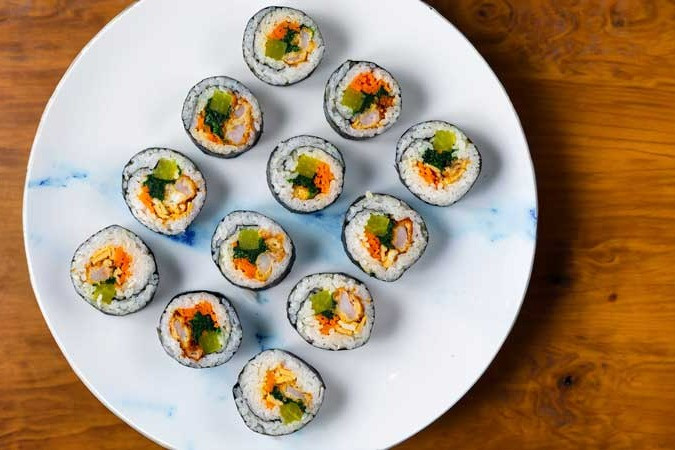
Menu: Kimchi Mandu, Yachaejeon, Vegetarian Kimbap, Kimchi
12 Spaces Left

Kung Pao Prawns, Salt & Pepper Squid, Egg Fried Rice, Steamed Sea Bass with Chilli & Crushed Soybeans
5 Spaces Left
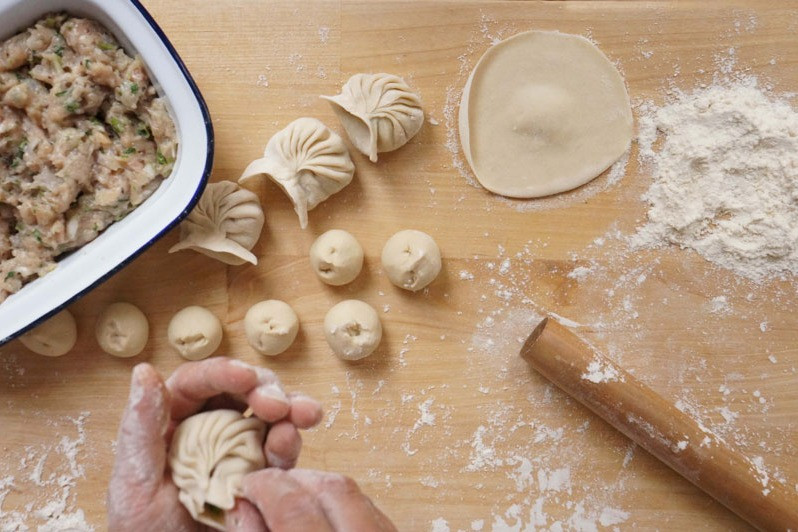
Menu: Siu Mai, Glutinous Rice in Lotus Leaf, Pork Wontons, Jiao Zi, Hor Fun
12 Spaces Left
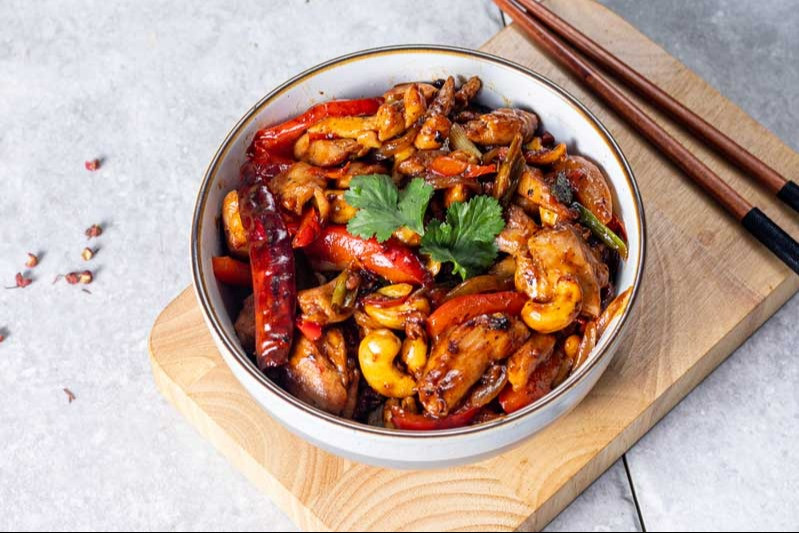
Menu: Beef Hor Fun, Salt & Pepper Tofu, Sichuan Chicken, Egg Fried Rice, Jiao Zi, Kai Lan & Ginger Stir Fry
6 Spaces Left
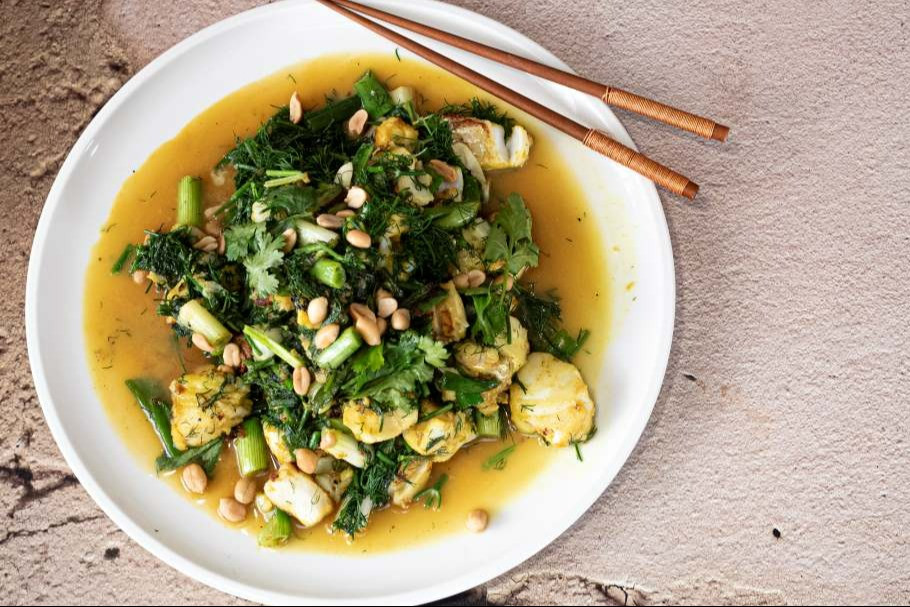
Menu: Hanoi Fried Fish with Turmeric & Dill (Chả Cá Lã Vọng), Bánh Xèo, Nước chấm dipping sauce , Shaking Beef (Bò lúc lắc)
5 Spaces Left
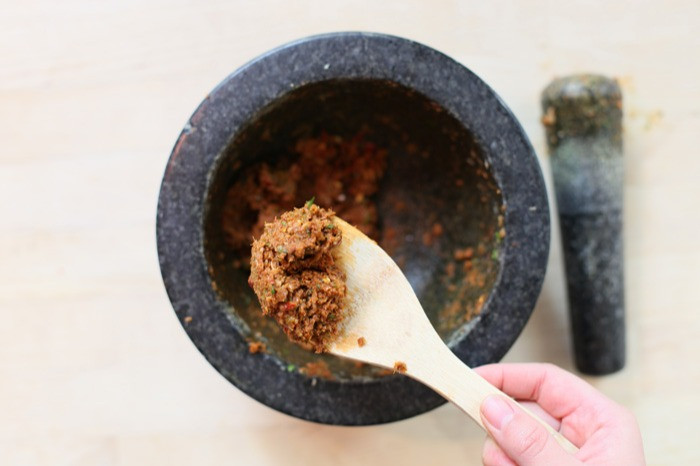
Menu: Gaeng Hung Lay, Northern Thai Laab, Bangkok Crab Omelette, Khao Yum
1 Spaces Left
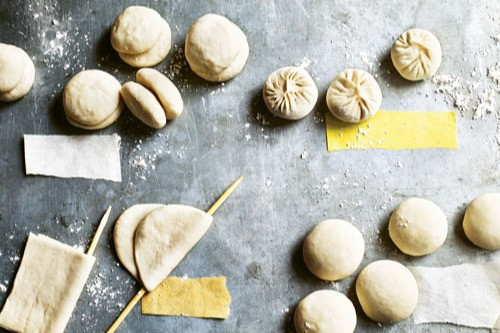
Menu: BBQ Chicken Bao, Siu Mai, Custard Bao, Pork Wontons
2 Spaces Left