
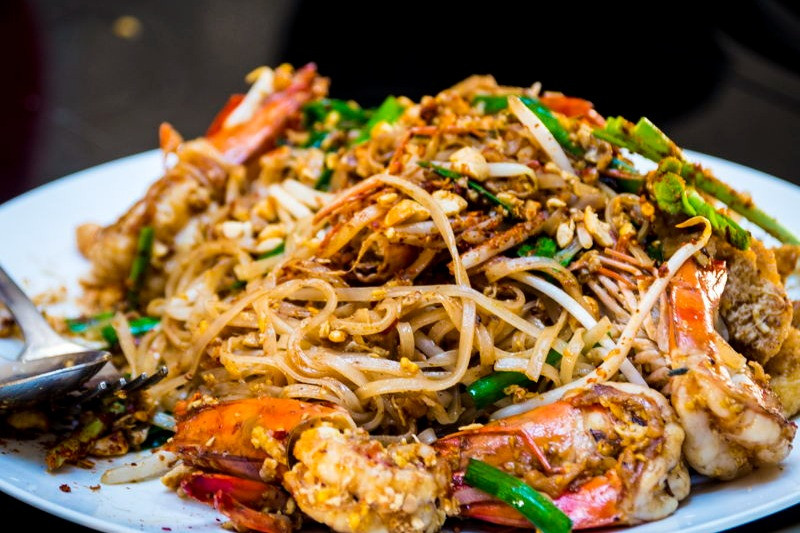
Pad Thai with Prawns is Thailand’s most iconic street food noodle dish, celebrated for its perfect balance of sweet, sour, salty and savoury flavours. This authentic Pad Thai with Prawns recipe follows a traditional Thai restaurant method, building a tamarind and palm sugar sauce first, then stir frying soaked rice noodles with prawns, tofu, preserved turnip and crunchy beansprouts.
The key to excellent Pad Thai is control. The sauce must be balanced before it hits the wok, the noodles must be soaked rather than boiled, and the vegetables added at the last moment to keep their crunch. Cook quickly, taste at the end and adjust with lime, chilli and peanuts just before eating.
Cuisine
Thai
Time
30 min
Servings
2 people
200g dried flat rice noodles, soaked in warm water for 15 to 20 minutes and drained
12 raw king prawns, peeled and deveined
2 tablespoons cooking oil
2 eggs
100g firm tofu, cut into small cubes
2 tablespoons preserved turnip, finely chopped
Handful beansprouts
Small handful Chinese chives, cut into 2 to 3cm lengths
Lime wedges, to serve
Roasted peanuts, crushed, to serve
Chilli flakes, to serve
The Pad Thai Sauce
2 tablespoons palm sugar
2 tablespoons tamarind paste or tamarind juice
1 tablespoon fish sauce
1 tablespoon light soy sauce
2 shallots, finely chopped
To make the Pad Thai sauce
To cook the Pad Thai
Serve immediately with lime wedges, crushed roasted peanuts and chilli flakes on the side. Squeeze lime over the top, add peanuts and chilli to taste, then mix well before eating.
School of Wok Tips
FAQs
Can I make Pad Thai in advance?
Pad Thai is best eaten immediately. The noodles will continue to soften if left too long.
Can I substitute chicken for prawns?
Yes. Slice chicken thinly and cook fully before adding the noodles.
Why are my noodles mushy?
They may have been soaked too long or overcooked in the wok. Keep them slightly under softened before stir frying.
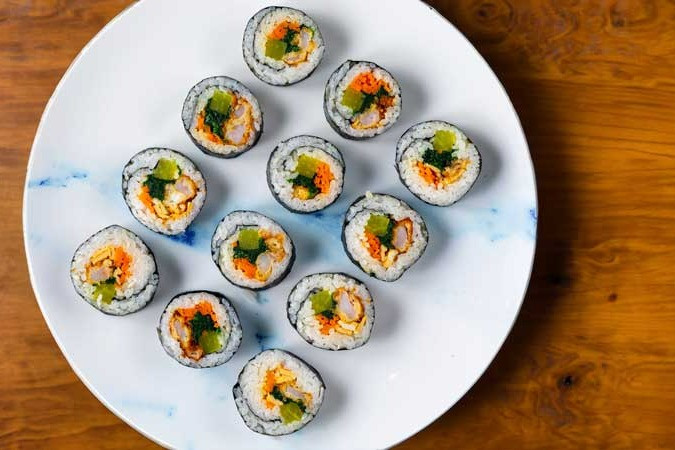
Menu: Kimchi Mandu, Yachaejeon, Vegetarian Kimbap, Kimchi

12 Spaces Left
Menu: Beef Pho, Banh Mi, Lemongrass Grilled Pork, Summer Rolls, Prawn & Green Mango Salad
12 Spaces Left
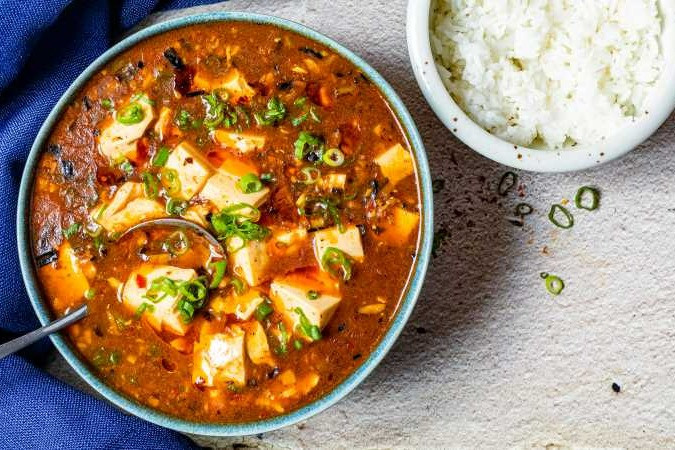
Menu: Chive & Mushroom Dumplings, Vegetarian Ma Po Tofu, Garlic Fried Rice, Stir Fried Green Beans with Chilli Hoisin
10 Spaces Left
Menu: Thai Crying beef with Roasted Rice Powder, Nasi Goreng and Chicken Satay – Aromatic fried rice and flavourful chicken skewers served with Prawn Crackers, Mango Sticky Rice
7 Spaces Left
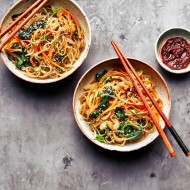
Menu: Kimchi Pancake - Spicy Pork Belly Bulgogi - Kimchi - Japchae
9 Spaces Left
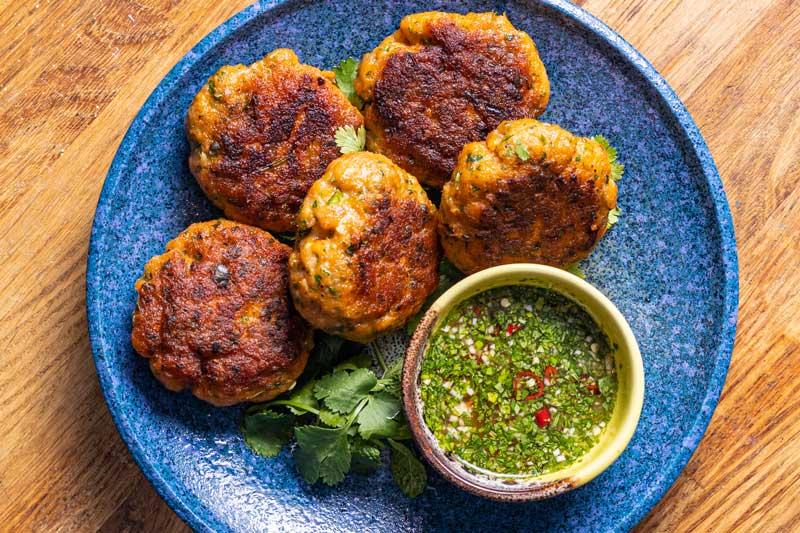
Menu: Jungle Curry, Thai Fish Cakes, Flash Fried Morning Glory, Son in Law Eggs, Steamed Jasmine Rice
8 Spaces Left
Menu: Kimchi Mandu, Yachaejeon, Vegetarian Kimbap, Kimchi
9 Spaces Left
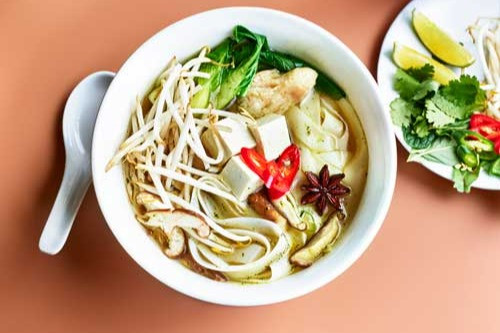
Menu: Beef Pho, Banh Mi, Lemongrass Grilled Pork, Summer Rolls, Vietnamese Spring Rolls, Prawn & Green Mango Salad
5 Spaces Left
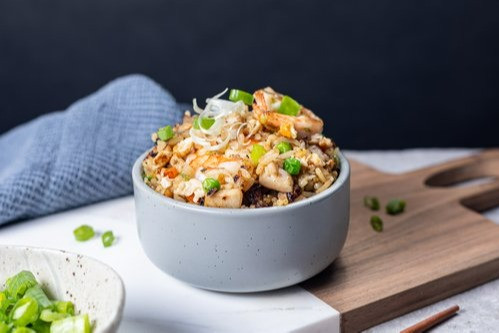
Menu: Prawn Toast, Wontons, Black Bean Beef, Special Fried Rice
12 Spaces Left
Menu: BBQ Chicken Bao, Siu Mai, Custard Bao, Pork Wontons
4 Spaces Left