
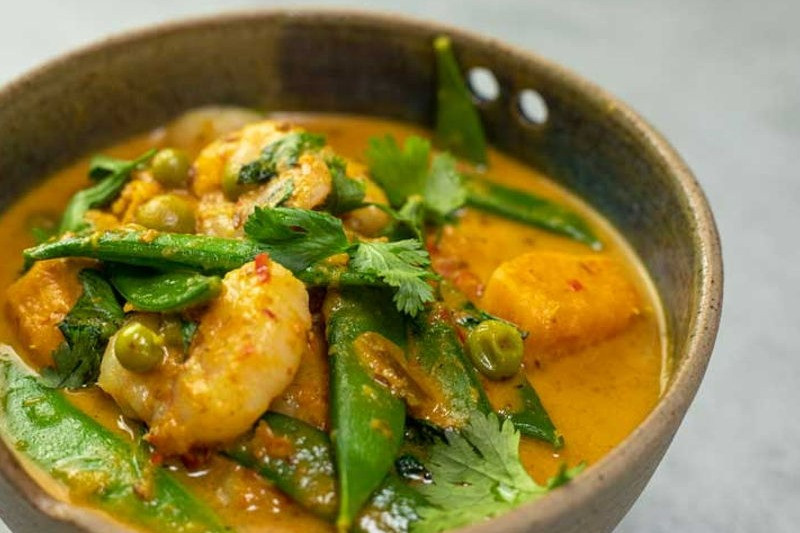
Sweet Potato & Prawn Coconut Curry
Amazing Thai Red Curry is a vibrant Southeast Asian classic built around a freshly pounded curry paste, gently simmered in coconut milk until rich, fragrant and deeply flavoured. This Amazing Thai Red Curry recipe combines sweet potato, pea aubergines and prawns for a perfect balance of sweetness, spice and savoury depth.
The key to an authentic Thai red curry lies in making the paste from scratch. Using a pestle and mortar releases the natural oils from lemongrass, galangal, turmeric and chilli, creating a far more aromatic base than shop bought paste. Gradually adding coconut milk and allowing the oils to split intensifies the flavour and gives the curry its signature richness.
Cuisine
Thai
Time
1 hr
Servings
4 people
1 large sweet potato, cut into chunky pieces
200g raw prawns, peeled and deveined
Handful sugar snap peas
Handful baby corn, halved lengthways
Handful pea aubergines
2 to 3 kaffir lime leaves
400ml coconut milk
Water or light stock, if needed
2 to 3 tablespoons fish sauce
1 to 2 tablespoons palm sugar
Handful Thai sweet basil
Fresh coriander, to garnish
Vegetable oil, for cooking
The Paste
4 to 6 dried red chillies, soaked and softened
1 to 2 fresh red chillies
2 Thai shallots
2 cloves garlic
1 stalk lemongrass
1 thumb-size piece galangal
½ thumb-size piece fresh turmeric
½ thumb-size piece finger ginger or ginger
2 kaffir lime leaves, finely sliced
Small handful coriander stalks
1 teaspoon toasted cumin seeds
1 teaspoon coriander seeds
1 tablespoon paprika
1 teaspoon shrimp paste
School of Wok Tips
• Pound the paste thoroughly to release maximum natural oils and flavour.
• Cook the paste until fragrant before adding coconut milk.
• Add coconut milk gradually to encourage oil separation and depth.
• Layer vegetables by cooking time, hardest first and prawns last.
FAQs
Can I freeze the curry paste?
Yes? Freeze in small portions or ice cube trays for quick future curries.
Can I make this vegetarian?
Yes? Omit shrimp paste and replace fish sauce with light soy sauce or vegetarian fish sauce.
Why add coconut milk gradually?
Adding it slowly allows the paste to cook properly and helps the oils split, creating a richer flavour.
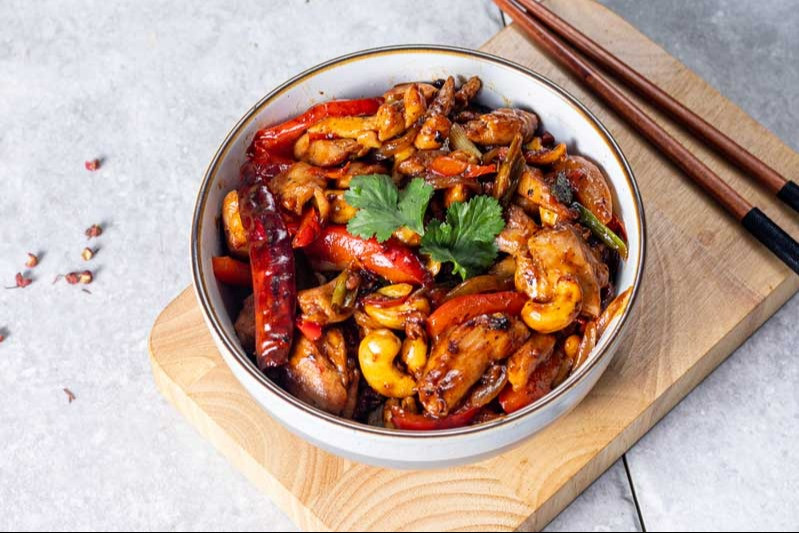
Menu: Beef Hor Fun, Salt & Pepper Tofu, Sichuan Chicken, Egg Fried Rice, Jiao Zi, Kai Lan & Ginger Stir Fry

1 Spaces Left
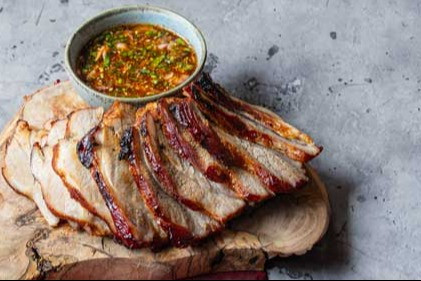
Menu: Menu: Som Tam Salad, Grilled Pork, Thai Green Chicken Curry, Pad Thai, Coconut Rice, Thai Mango Sticky Rice
7 Spaces Left
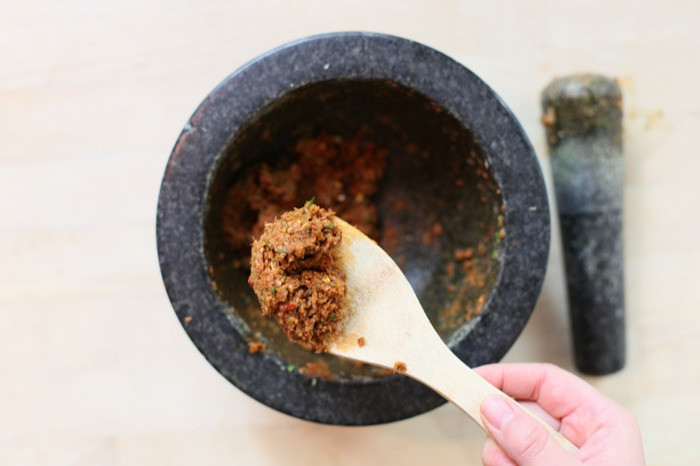
Menu: Gaeng Hung Lay, Northern Thai Laab, Bangkok Crab Omelette, Khao Yum
9 Spaces Left
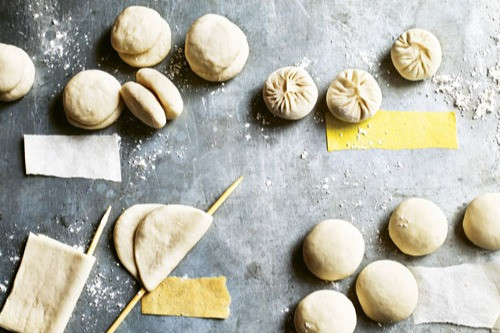
Menu: BBQ Chicken Bao, Siu Mai, Custard Bao, Pork Wontons
2 Spaces Left
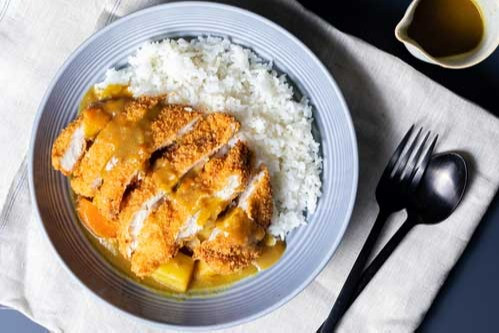
Menu of the day: Gyoza, Chicken Katsu Curry, Broccoli Gomaae and steamed rice
6 Spaces Left
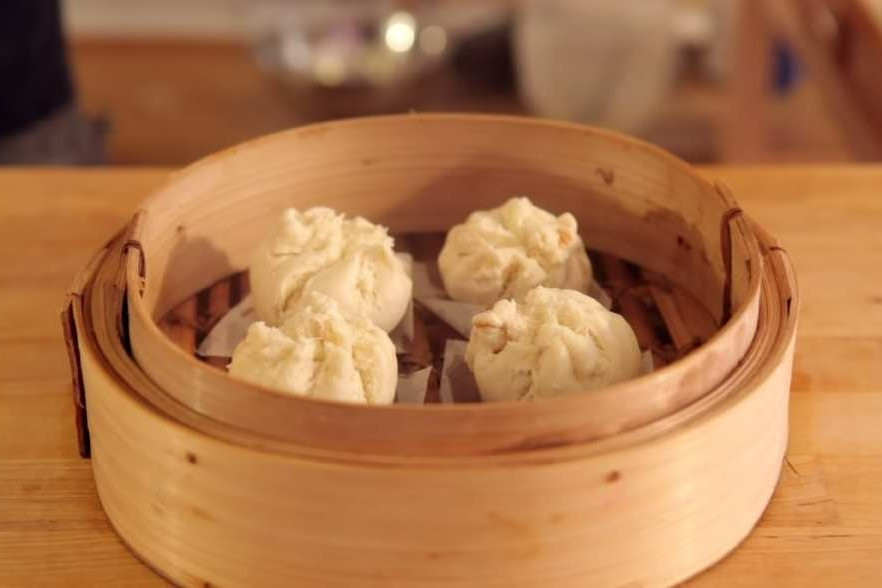
Menu: Char Sui Pork Bao Bun, Jiaozi , Gui Chai Tod, Smashed Cucumber Salad
8 Spaces Left
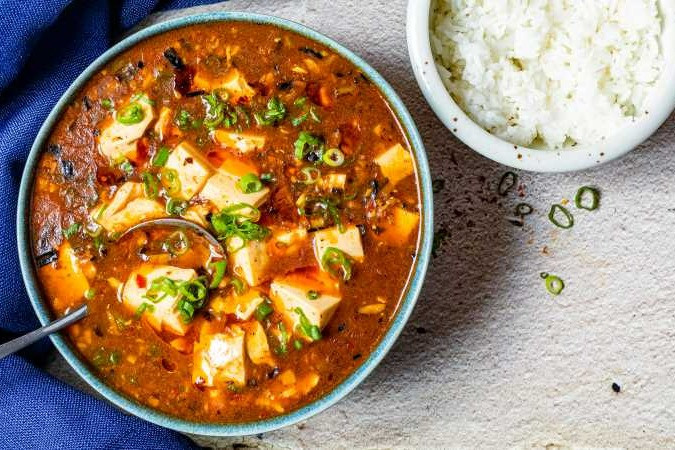
Menu: Chive & Mushroom Dumplings, Vegetarian Ma Po Tofu, Garlic Fried Rice, Stir Fried Green Beans with Chilli Hoisin
12 Spaces Left
Menu: Menu: Som Tam Salad, Grilled Pork, Thai Green Chicken Curry, Pad Thai, Coconut Rice, Thai Mango Sticky Rice
12 Spaces Left
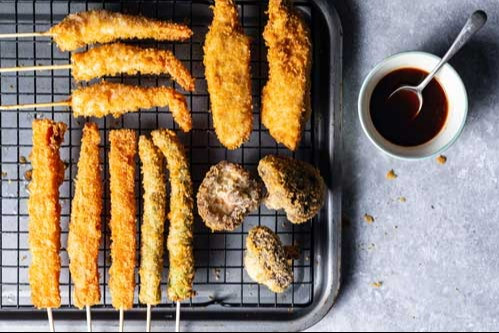
Menu: Gyoza, Broccoli Goma-ae, Vegetable Okonomiyaki, Chicken Yakitori, Kushikatsu
3 Spaces Left
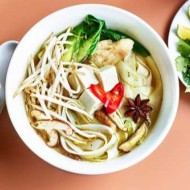
Menu: Beef Pho, Banh Mi, Lemongrass Grilled Pork, Summer Rolls, Prawn & Green Mango Salad
12 Spaces Left