
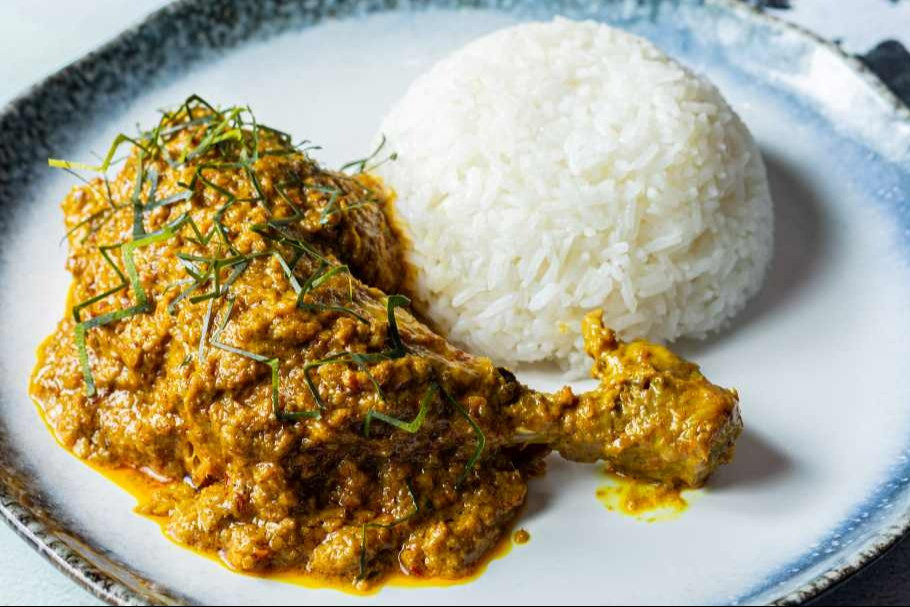
Chicken Rendang, or Rendang Ayam, is one of the most iconic dishes of Indonesia, Malaysia and Singapore. Tender chicken slowly simmered in a rich rempah spice paste, coconut milk and toasted coconut, this dish is deeply aromatic, creamy and intensely savoury. As the sauce reduces, the oil separates and the flavours concentrate, creating that signature nutty, fragrant rendang finish.
Cuisine
Indonesian
Time
1 hr 10 mins
Servings
4 people
4 chicken legs (or 6–8 chicken thighs/drumsticks)
4–5 tablespoons vegetable oil
2 kaffir lime leaves (plus extra for garnish)
400ml coconut milk
Salt
2 tablespoons desiccated coconut
1–2 tablespoons palm sugar (gula jawa), grated
1 tablespoon tamarind paste
1 small cinnamon stick (or cassia bark)
2 star anise
The Rempah Paste
2 stalks lemongrass, finely chopped
4 shallots, chopped
½ small red onion, chopped
2–3 dried red chillies, soaked overnight
1 thumb-sized piece galangal
1 thumb-sized piece fresh turmeric (or 1 teaspoon ground turmeric)
3 garlic cloves
School of Wok Tips
• Fry the rempah until the oil separates — this is key to deep flavour.
• Toasting coconut adds nuttiness and thickens the sauce naturally.
• Do not rush the simmer — rendang develops flavour as it reduces.
• The oil splitting on top is a sign your rendang is ready.
FAQs
What makes a rendang different from a curry?
Rendang is cooked longer until the sauce reduces significantly and the oil separates, creating a thicker, more concentrated dish.
Can I use chicken breast?
You can, but bone-in thighs or legs stay juicier and develop better flavour.
What is kerisik?
Kerisik is toasted desiccated coconut used in Malaysian and Indonesian cooking to thicken and enrich curries and rendang.
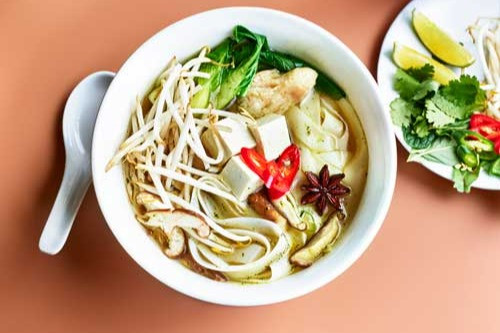
Menu: Beef Pho, Banh Mi, Lemongrass Grilled Pork, Summer Rolls, Vietnamese Spring Rolls, Prawn & Green Mango Salad

5 Spaces Left
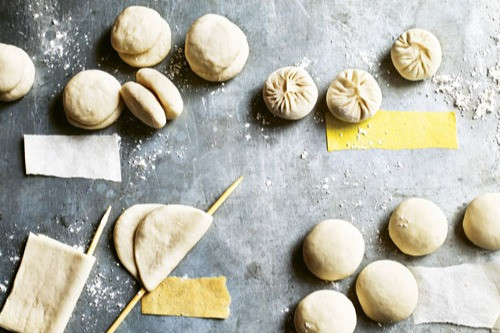
Menu: BBQ Chicken Bao, Siu Mai, Custard Bao, Pork Wontons
12 Spaces Left
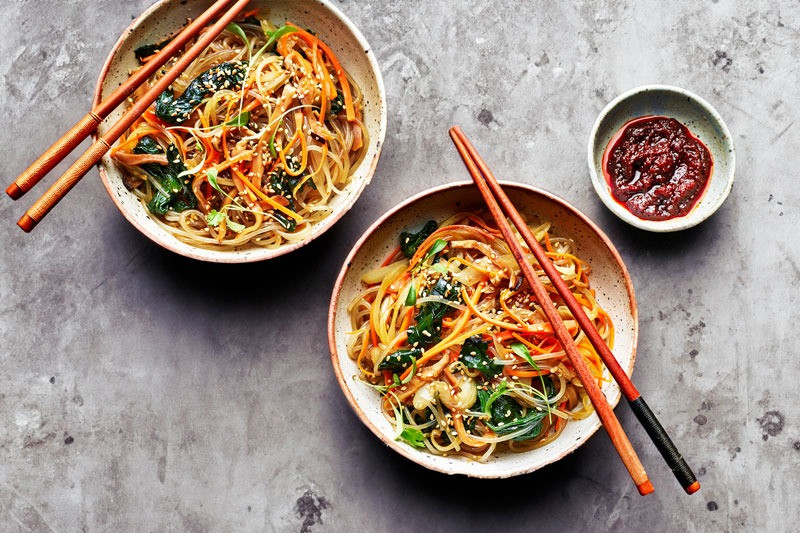
Menu: Tteok-bokki, Gimmari, Beef Bulgogi, Korean Spicy Chicken Skewers, Hotteok
12 Spaces Left
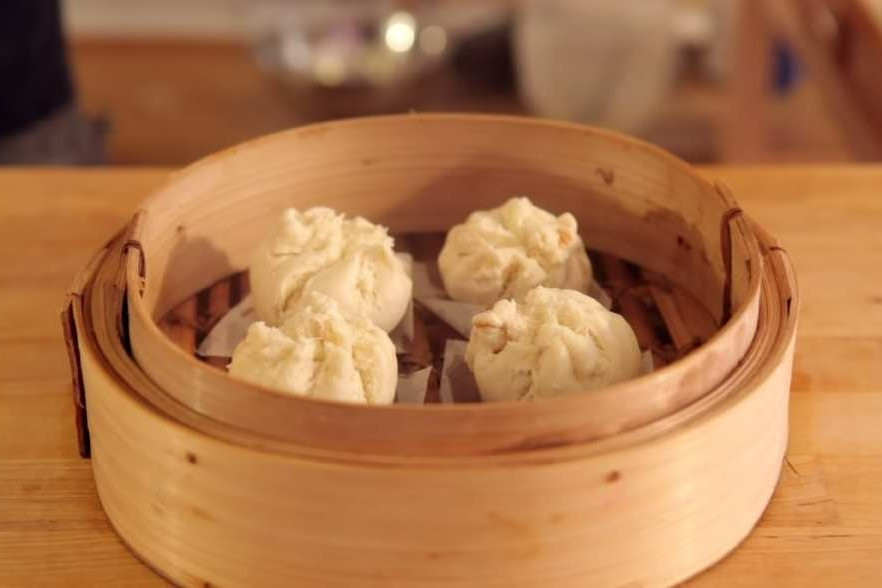
Menu: Char Sui Pork Bao Bun, Jiaozi , Gui Chai Tod, Smashed Cucumber Salad
8 Spaces Left
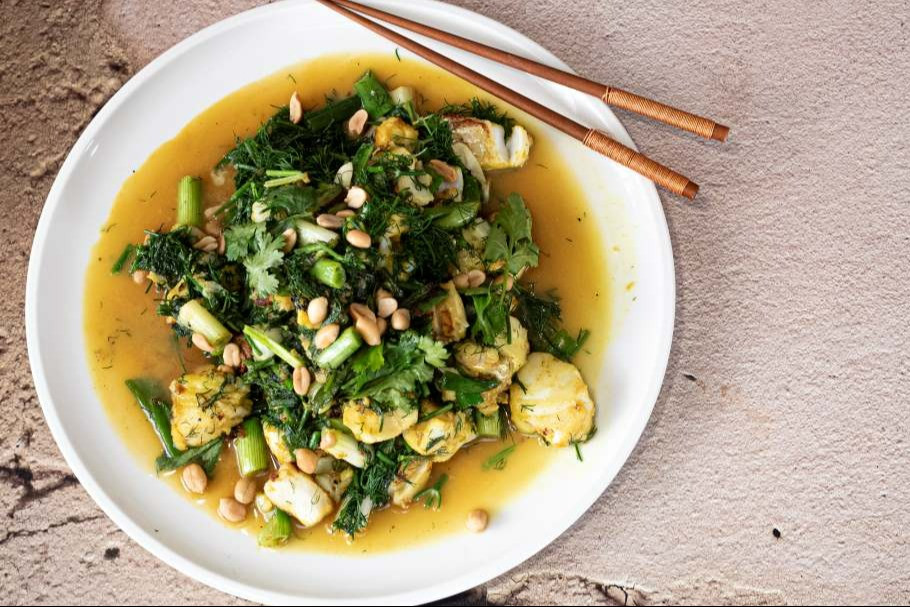
Menu: Hanoi Fried Fish with Turmeric & Dill (Chả Cá Lã Vọng), Bánh Xèo, Nước chấm dipping sauce , Shaking Beef (Bò lúc lắc)
10 Spaces Left
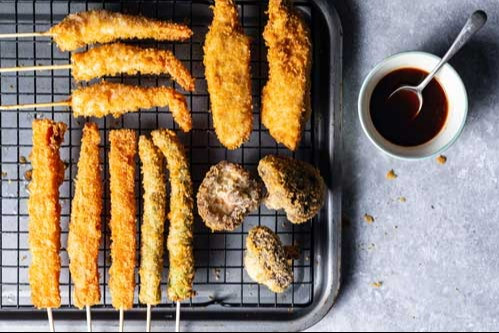
Menu: Gyoza, Broccoli Goma-ae, Vegetable Okonomiyaki, Chicken Yakitori, Kushikatsu
11 Spaces Left
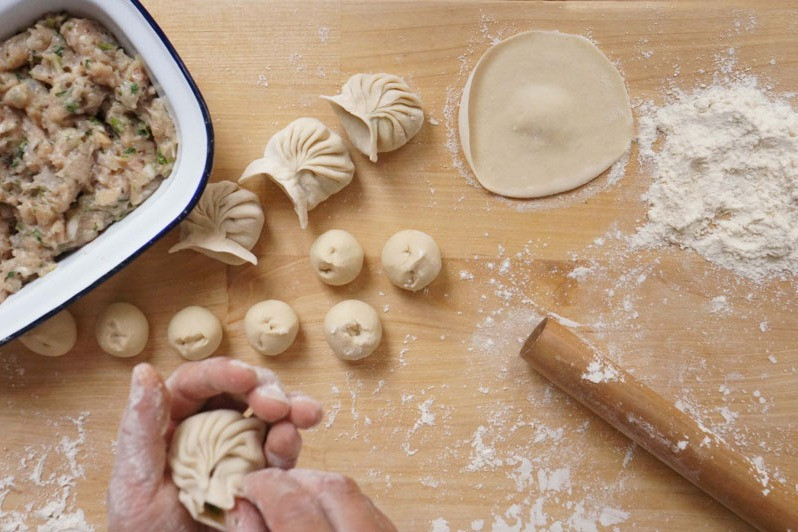
Menu: Siu Mai, Glutinous Rice in Lotus Leaf, Pork Wontons, Jiao Zi, Hor Fun
7 Spaces Left
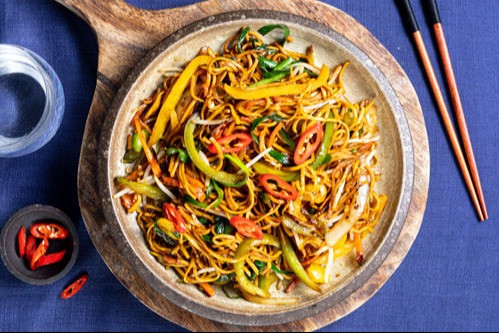
Menu: Jiao Zi, Vegetable Chow Mein, Hunan Spicy Beef, Steamed Sea Bass with Chilli & Crushed Soybeans, Stir Fried Green Beans with Chilli Hoisin, Fujian Fried Rice
1 Spaces Left
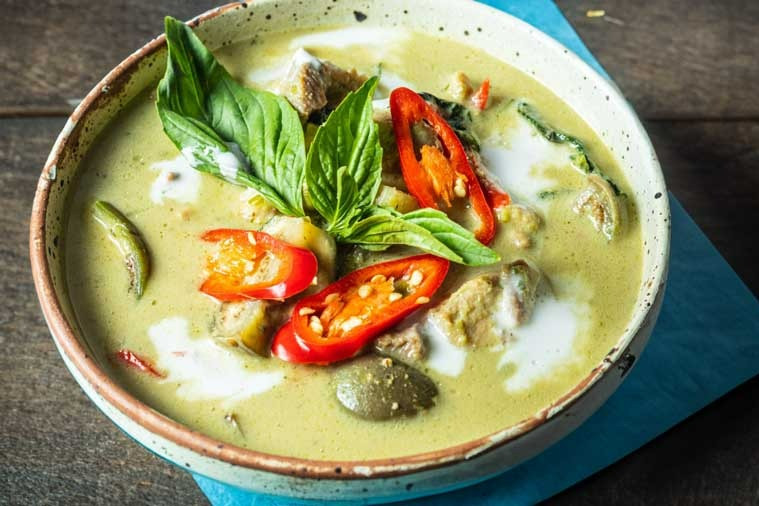
Menu: Thai Spring Rolls, Som Tam Salad, Thai Green Chicken Curry, Thai Sticky Glutinous Rice
9 Spaces Left
Menu: BBQ Chicken Bao, Siu Mai, Custard Bao, Pork Wontons
7 Spaces Left